When the drumbeat of change gets so loud, history begins to shift. This is a moment that cannot be ignored, because decades of excluding women from political leadership have left gaps in Nigeria’s decision-making, policy, and progress. The demand for fairness, inclusion, and results is impossible to ignore, and it is driving one of the most important reforms in Nigeria’s history.
Right now, HB 1349, the Reserved Seats Bill, offers a bold, constitutional reset. It proposes adding new seats to both the federal and state legislatures specifically reserved for women, without cutting anyone else out.
These seats will be contested only by women, ensuring every state gets female representation in the Senate, House of Representatives, and State Assemblies. The bill is designed as a temporary, corrective measure (with a review after 16 years), aimed at bridging decades of exclusion and restoring equity in governance.
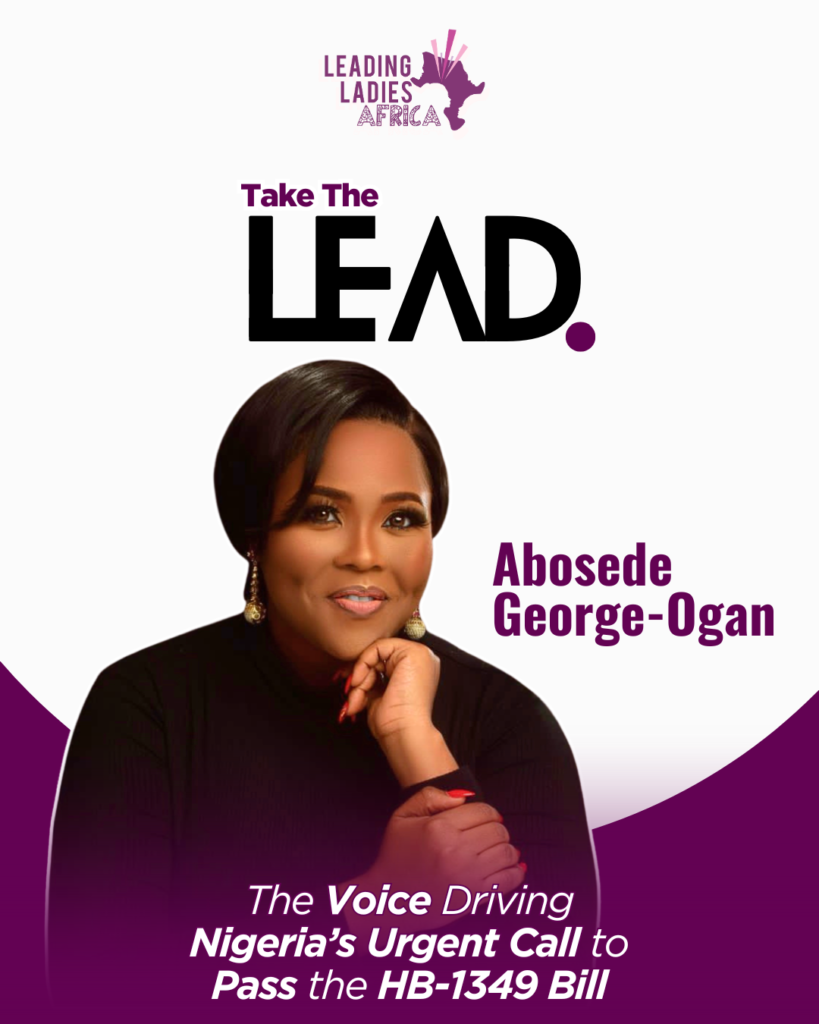
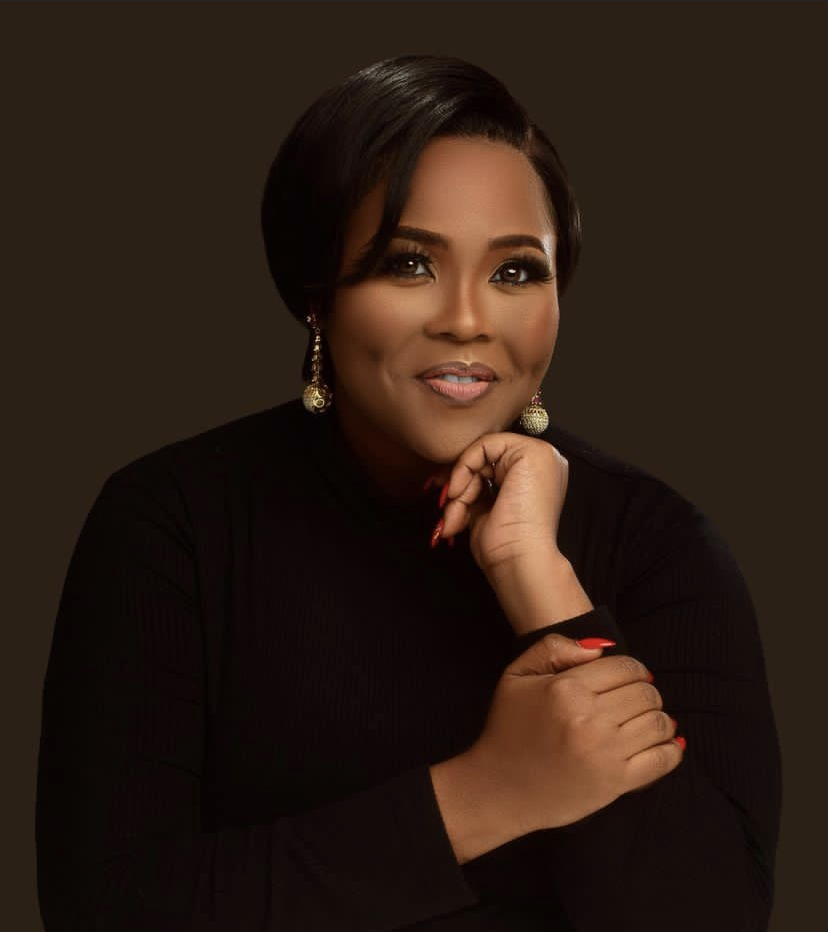
This is where Abosede George-Ogan steps in, as a bridge between passion and purpose. With more than 20 years of working across civil society, private sector sustainability, and public-service governance, she’s done more than talk about change, she’s built the networks, sharpened the data, and shaped the strategy.
Through Women in Leadership Advancement Network (WILAN), she is mobilizing young women, tracking representation gaps, and preparing the next generation to fill those seats with values-driven leadership. She’s advocating for structural reform, not symbolic gestures, creating pathways for women to lead with competence, integrity, and accountability.
Nigeria is at a pivot. And with HB 1349 and leaders like Abosede, we are creating a democracy that reflects everyone. It is about reshaping our democracy, empowering a generation, and proving that leadership is defined by talent, vision, and courage, not gender.
Read the conversation below.
HB 1349 has sparked one of Nigeria’s most important national conversations on gender representation. What makes this the right moment for a constitutional amendment of this scale?
Nigeria is standing at a defining moment. Decades of exclusion have caught up with us, and we now see clearly that a nation cannot build a modern democracy with outdated structures that silence half its population. Our democracy becomes fragile when women are absent from the spaces where laws are written and national priorities are shaped.
What makes this moment different is the shift in public consciousness. Nigerians, especially young people, want results. They want structural reforms that reflect the realities of today, not the political culture of decades past. HB 1349 offers a solution grounded in global best practice and rooted in the urgency of our national development needs.
Most importantly, young women across the country are watching with fresh confidence and sharper expectations. They are informed, vocal, and unwilling to accept exclusion as normal. When an entire generation begins to ask, “Where are the women?”, the nation must respond with bold reforms that secure their future.
From your advocacy experience, what has been most misunderstood about HB 1349, and what should Nigerians and Africans know about it?
The biggest misconception is the belief that HB 1349 takes away seats from men. It does not. The bill creates additional seats using a temporary corrective model that has been used successfully in countries like Rwanda, Tanzania, Uganda, and Kenya.
Another misunderstanding is the assumption that the bill benefits women alone. That is not true. Evidence from the IMF, OECD, and African Union consistently shows that societies with inclusive leadership perform better. They make stronger decisions, allocate resources more equitably, and achieve more sustainable development outcomes.
People should also know that the bill is time-bound. The 16-year sunset clause ensures that this is not a permanent arrangement. It is a temporary intervention designed to correct a long-standing imbalance and allow women to compete fairly. HB 1349 is not a symbolic gesture. It is a practical step toward unlocking Nigeria’s full potential.
HB 1349 proposes adding 182 women-only seats. Do you believe these numbers are sufficient to achieve meaningful gender balance?
These numbers are not only sufficient; they are essential for meaningful change. Nigeria currently has about 4.5 percent female representation in the National Assembly, placing us among the lowest in the world. At this pace, it would take more than a century to reach gender balance.
HB 1349 dramatically accelerates that timeline. The proposed seats were strategically designed to ensure that each state has female representation in both the Senate and the House of Representatives, and that State Assemblies also include women capable of shaping subnational policy.
Research shows that once women hold more than 30 percent of seats, legislative priorities begin to shift in measurable ways. These 182 seats move Nigeria closer to that critical mass. They will not solve every barrier, but they create the strongest foundation Nigeria has ever built for women in public leadership.
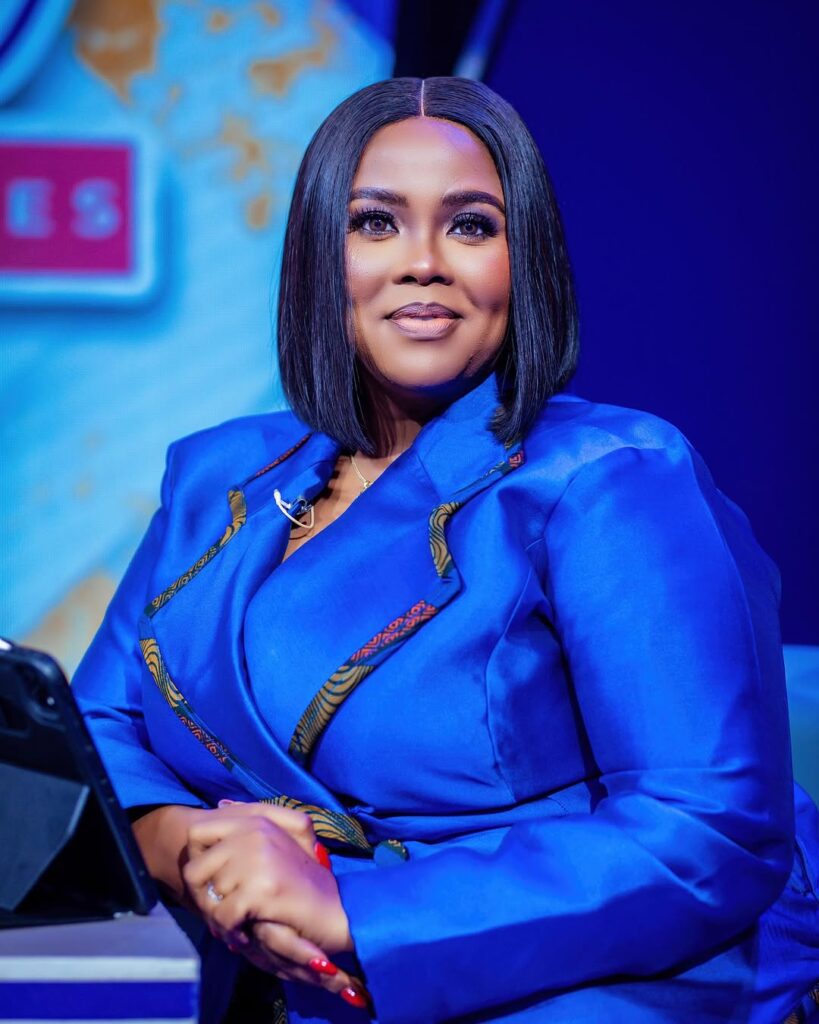
Every leader has a turning point. Was there a moment that pushed you fully into political and gender advocacy?
My shift into advocacy was not triggered by a single event. It was shaped by a pattern I could no longer ignore. I watched brilliant women shrink themselves because the system did not make room for their leadership. I saw women doing the work yet remaining invisible when decisions were being made. I listened to stories from women who had the competence but lacked access, networks, or political backing.
Becoming a mother of daughters strengthened my resolve. It made the issue deeply personal. I knew that unless I actively challenged these structures, my daughters would inherit a Nigeria that did not reflect their full potential. That realisation compelled me to build platforms, mobilise stakeholders, and commit myself to creating the kind of Nigeria where women can lead without apology.
If the bill passes, how will WILAN ensure that newly elected women deliver gender-responsive leadership?
Representation is only the first step. The real transformation comes from accountability and performance. At WILAN, we already operate a values-driven framework that supports leadership development, policy training, ethical governance, data monitoring, and citizen engagement.
If HB 1349 passes, we will expand this work by creating a Women in Office Performance Dashboard to track legislative contributions, committee engagement, constituency outreach, and gender-responsive budgeting. We will also strengthen our Legislative Fellowship Track, pairing women legislators with policy experts, governance advisers, economists, and legal scholars.
The goal is not just to fill seats. The goal is to elevate the standard of public leadership for the benefit of all Nigerians.
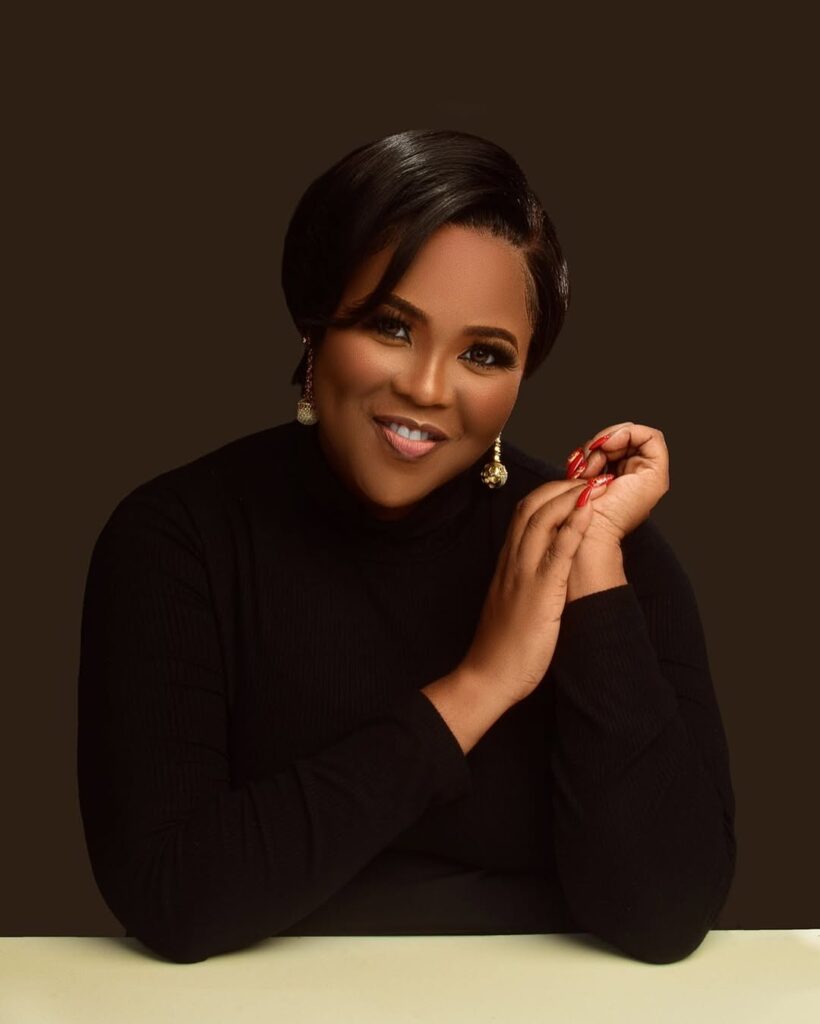
What long-term impacts do you hope to see 10–15 years from now if HB 1349 succeeds?
I envision three major shifts.
The first is legislative transformation. When women’s voices are present, policy becomes more reflective of the realities of healthcare, education, community security, economic inclusion, and digital access.
The second is social transformation. I want to see a Nigeria where leadership is no longer seen as masculine terrain but as a space where competence is the only qualification that matters.
The third is cultural transformation within our political ecosystem. Consistent female representation will push parties to reform their recruitment structures, reduce political violence, widen pipelines, and strengthen democratic institutions. HB 1349 is not simply about adding women. It is about redesigning Nigerian politics to reflect the diversity and strength of its people.
When Nigerian women look back years from now, what do you hope they remember about your role in this movement?
I hope they will say that I helped open the door and kept it open for others. I hope they remember that I stood at the intersection of data, advocacy, courage, and conviction and used my voice to push for a Nigeria that acknowledges the brilliance of its daughters. I hope they are reminded that leadership is not granted by permission; it is realised through purpose, preparation, and unwavering belief in one’s capacity to contribute meaningfully to nation-building.