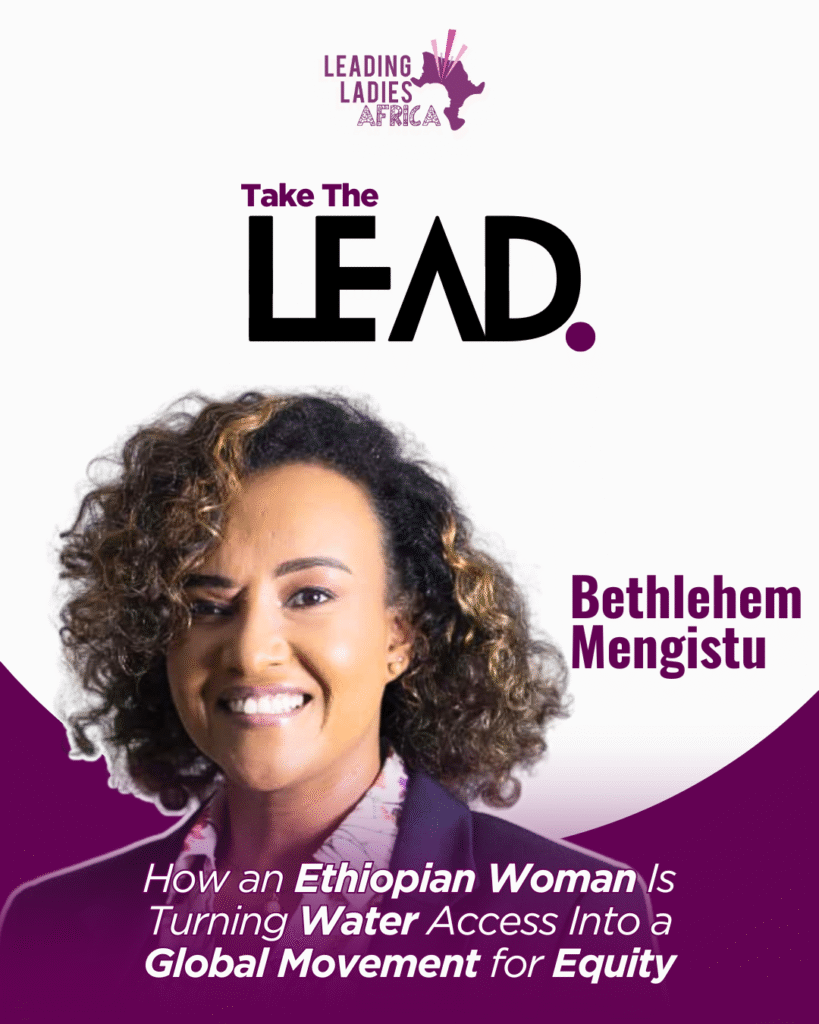
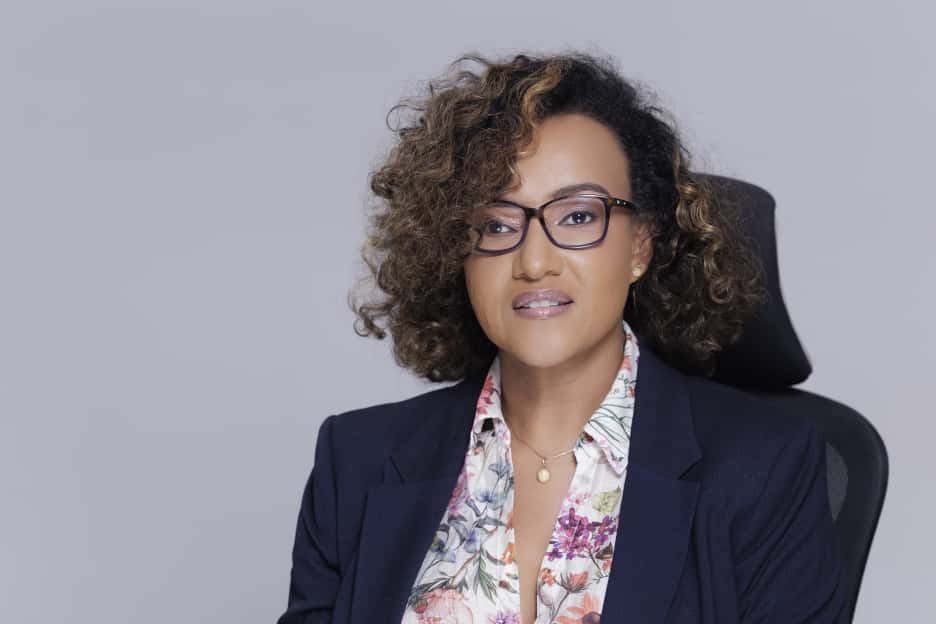
While some become leaders out of expectation, others lead as they walk boldly into purpose, and Bethlehem Mengistu is one of the latter.
She is a woman who doesn’t walk into rooms to be seen, but walks in carrying the weight of something bigger, a vision shaped by faith, empathy, and the belief that leadership should open doors for others.
From her early days in Ethiopia, where community and togetherness defined her worldview, to leading global efforts that strengthen water, sanitation, and hygiene systems across continents, Bethlehem’s journey has been about impact that lasts.
Today, as the Global Coordinator of Agenda for Change, she’s helping countries build resilient WASH systems that don’t just deliver services, but restore dignity and opportunity for millions.
“Leadership,” she says, “is not about control, but stewardship, shaping vision, building trust, and creating space for others to thrive.”
In this exclusive conversation, we unpack the woman behind the global title, the heart behind the strategy, and why she believes that women don’t need to shed their femininity to lead effectively.
This isn’t just a story about global leadership. It’s a story of purpose, service, and the kind of quiet strength that changes systems from within.
Read the full interview below.
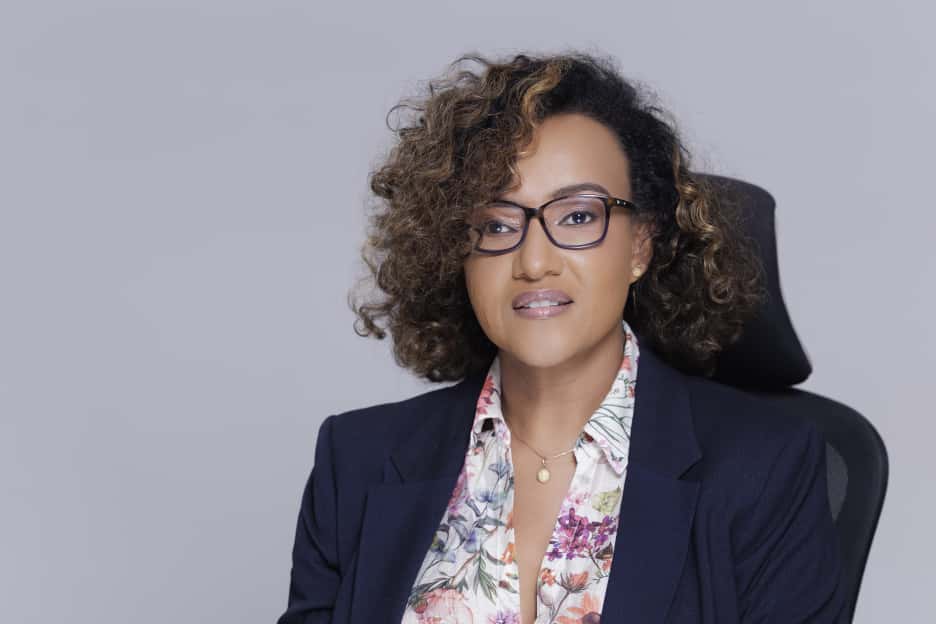
Before the global leadership roles and the high-level advocacy, who is Bethlehem Mengistu at her core?
At my core, I am a purpose-driven leader who believes that leadership is both a responsibility and a privilege, a chance to shape systems, open doors, and create lasting impact. Curiosity has always guided me; faith has kept me grounded; and a belief that all things are possible with God continues to fuel my courage to lead.
When people ask about my story, I often say it’s layered with Ethiopia in my heart, Africa in my spirit, and the richness of my heritage in every step I take. As Maya Angelou beautifully said, “When you show up, you are walking with your ancestors.” For me, that means showing up fully, honouring those who came before me while shaping a path of hope, resilience, and possibility for those who will come after, especially young African girls who deserve to see what is possible.
I am grateful for the opportunities I have had and have strived to make them count, not only for myself but in ways that create space and opportunity for others. I find deep encouragement in seeing women I have worked with rise, because their success reflects what’s possible for all of us. I have been inspired by women who have opened doors for me, and that has instilled in me a profound sense of responsibility to build pathways for inclusive and transformative leadership.
The titles I have held matter to me not for recognition, but because they come with the privilege to challenge systems, advocate for equity, and expand what’s possible for those who follow. I lead with authenticity, empathy, and integrity because I believe you don’t have to compromise your femininity or your values to be taken seriously as a leader. It is possible to lead with grace, conviction, and impact, and still break the glass ceiling.
Can you take us back to your childhood or early days, what experiences shaped your sense of responsibility and leadership?
I grew up in Ethiopia, in a community where togetherness carried deep meaning. We were raised to honour our elders, treat our neighbours as extended family, and hold access to education in the highest regard. That sense of collective responsibility shaped how I understand leadership, not as a source of personal power, but as a commitment to serve something larger than oneself.
My early years coincided with moments of national transition, including government changes that I witnessed while still in school. Politics and volatility were not abstract concepts; they were part of daily life. Those experiences quietly shaped my worldview, teaching me that leadership has real consequences. It can bring stability or deepen uncertainty, and it must therefore be exercised with integrity, foresight, and care.
Even as a student, I was drawn to service through volunteering, organising activities, and supporting community initiatives. Those early experiences showed me that leadership is not always about position, but about influence: the ability to bring people together around a shared purpose. The fulfilment I found in those moments became the foundation of how I lead today, grounded in empathy, guided by service, and anchored in community.
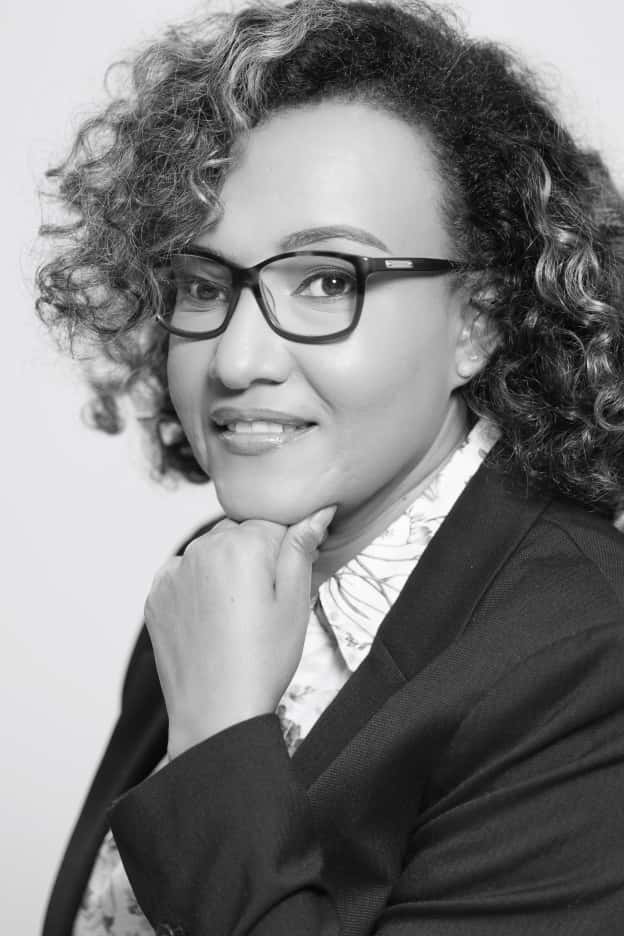
You’ve worked across Africa and Asia, what was the turning point that first drew you into the WASH sector?
What initially drew me to the WASH sector was the clarity and universality of its impact. Water influences every aspect of human life, including health, education, dignity, and opportunity. It is both a fundamental human right and a basis for equitable development. Early in my career, I realized how access to water could determine whether a girl remained in school, whether a mother delivered safely, and whether a community could prosper. That realization cemented my purpose.
I have always viewed WASH as more than infrastructure. It’s a lens through which equity, governance, and human development intersect. When systems are designed well, they don’t just deliver services; they empower communities, build institutional resilience, and expand opportunity. That’s the kind of transformation that sustains progress.
Over the years, my career choices and leadership journey have been guided by three principles: intention, meaning, and learning. Intention keeps me focused on purpose, ensuring that every decision aligns with my values and long-term vision. Meaning reminds me that my choices must serve something greater than individual ambition. And learning challenges me to grow continuously, to stay curious, and to lead with humility.
These principles have shaped how I approach leadership, from managing teams to influencing systems, and have enabled me to contribute to transformative change across countries and continents. They remind me that sustainable impact is built not only on technical excellence, but on empathy, integrity, and a deep respect for the people whose lives our work is meant to change.
What personal values guide your decision-making when leading teams and influencing policy at such high levels?
There are three values I use to guide my decision-making: integrity, inclusion, and authenticity. They are the principles I return to when the decisions are complex and the outcomes carry weight beyond the moment. I often ask myself: Does this decision open doors for others and enable a positive result for the sector or organisation? Does it align with my values? And will it still matter in the long run?
Integrity sustains trust, both within teams and across partnerships. Inclusion ensures that diverse voices inform the choices we make, and that solutions are stronger because of it. And authenticity keeps me centered; it allows me to lead from conviction, not conformity, and to make decisions that reflect both purpose and principle.
At this stage of leadership, the role is less about control and more about stewardship, shaping vision, enabling alignment, and creating conditions where others can bring and gain value. The most meaningful influence I have had has come not from asserting authority, but from building trust and coherence across people, systems, and agendas. This has been particularly important when engaging with senior policymakers, ministers, and heads of state, where influence depends as much on credibility and clarity as it does on diplomacy.
I have also learned that leadership sometimes means making difficult or unpopular decisions, especially when one is leading a change process. Leading organizational reform or transformation often requires navigating uncertainty, balancing empathy with resolve, and keeping sight of the long-term vision even when short-term discomfort arises. Those moments test your principles and strengthen your capacity to lead with both courage and conviction. I believe that being comfortable with that responsibility, standing firm while staying open to reflection and learning, is one of the truest measures of leadership.
I hold close the belief that women do not need to shed their femininity to lead effectively. Strength and empathy are not opposites; they are powerful complements. My approach to leadership blends clarity with compassion, and strategy with heart. I believe that enduring leadership is not defined just by visibility, but by the depth of impact it enables and the legacy of systems and people it strengthens.
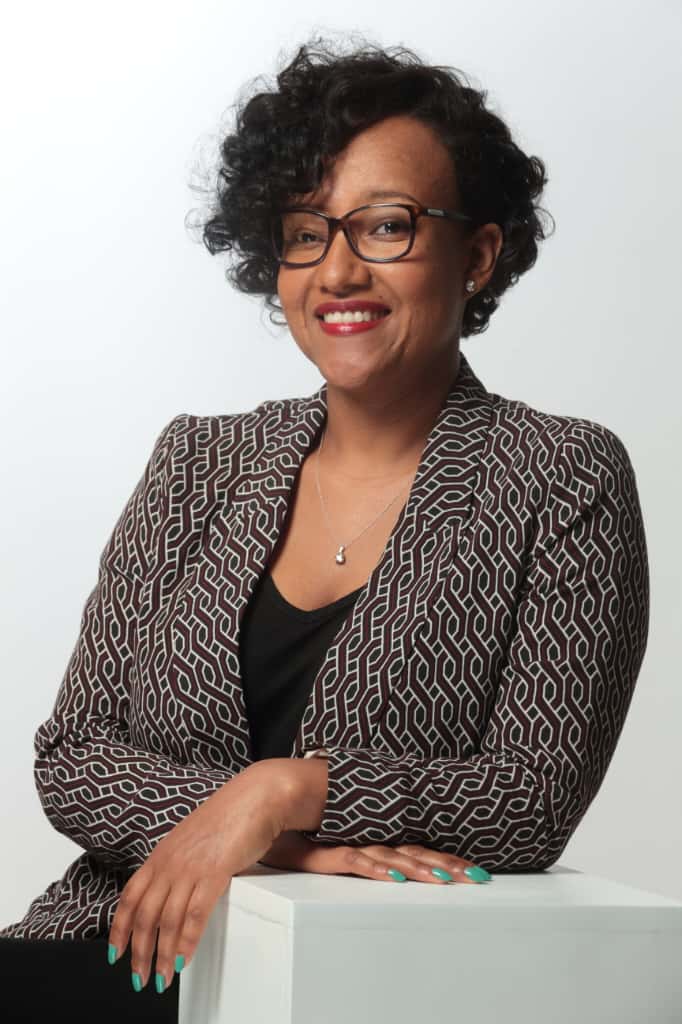
When you look back at your career trajectory, what was the toughest transition you had to make as you moved into bigger leadership roles?
Each stage of my leadership journey has expanded both my perspective and my sense of responsibility. I have moved from leading national programmes to shaping continental policy dialogue, and now to leading a global collaboration platform that strengthens systems.
The most defining transition in that journey was moving into leadership at scale. I had to evolve from hands-on implementation to influencing systems, institutions, and agendas. This required a new kind of leadership, one rooted in strategy, diplomacy, and the ability to connect diverse actors around shared priorities. But I also brought with me a distinct advantage as I transitioned into leading at scale: practical insight into what drives impact at the community and institutional levels.
Moving from national to Pan-African, and then to global leadership, deepened my understanding that real impact is not achieved through control. It comes from alignment, creating coherence among partners, building trust, and ensuring that collective action translates into lasting change.
This evolution showed me that leadership is never static. It grows from execution to influence, from managing tasks to shaping vision, and from driving results to sustaining systems. These transitions have refined how I think and lead, strategically, collaboratively, and authentically.
As someone who has managed multi-country teams and influenced policy, what lessons have you learned about leading people across diverse cultures?
Leading across cultures has taught me that humility and listening are the foundation of effective leadership. No strategy or vision can succeed without first understanding the people and the context. Managing teams and partnerships that span Africa, Asia, and Latin America has reinforced that leadership is less about imposing direction and more about creating shared purpose.
I have learned that inclusion is not achieved through representation alone but through respect, acknowledging different ways of thinking, working, and leading. My approach has always been to build trust before alignment and to create spaces where everyone feels heard and valued, regardless of geography or hierarchy. What has surprised me most is how authenticity travels. You don’t need to adjust who you are to fit every context; empathy, integrity, and clarity of purpose are universally understood. When people see that you lead with consistency and care, trust follows, and with trust, collaboration flourishes.
Ultimately, leading across cultures has taught me that diversity is not a challenge to be managed, but a strength to be harnessed. It brings richness of perspective, resilience in uncertainty, and innovation in how we solve problems together.
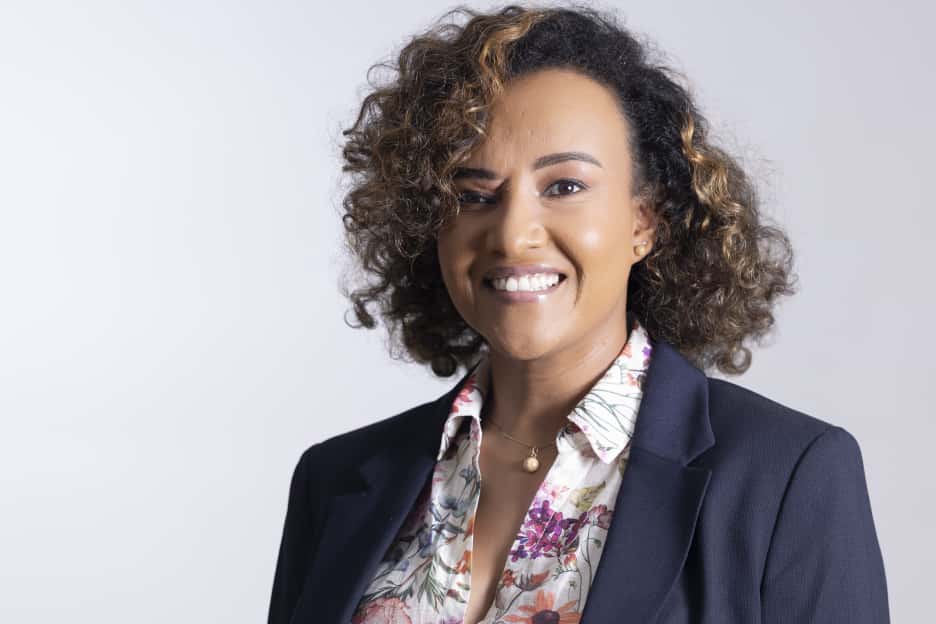
In water diplomacy and governance, you’ve emphasized women’s voices. Why do you believe women’s leadership changes the outcome of negotiations?
Women’s leadership brings analytical depth, political nuance, and lived perspective that strengthen diplomacy and decision-making. In complex negotiations, especially around shared resources like water, inclusive leadership isn’t just symbolic; it improves the quality of dialogue and the durability of outcomes. Women leaders often bridge technical, social, and political dimensions, helping to connect evidence, equity, and long-term sustainability in ways that make agreements more grounded and inclusive.
In the recent article I co-authored with Elizabeth Koch for Nature Water during Women’s Month, I reflected on how inclusive, women-led approaches to water diplomacy are reshaping outcomes. When women are part of these processes, issues of equity, community wellbeing, and accountability come to the forefront. It’s not about replacing one way of leading with another, but expanding what leadership can look like while creating room for both firmness and empathy, strategy and collaboration.
What I have observed, and what the principles of feminist leadership reinforce, is that power can be exercised with care, influence can coexist with integrity, and strength can be rooted in empathy. Women’s leadership may not change every outcome, but it often changes the quality of the process, how perspectives are heard, how respect is built, and how shared ground is found, even when consensus is hard to reach.
Women’s leadership in water diplomacy is a reflection of what inclusive governance should be: thoughtful, balanced, and brave enough to centre both justice and compassion. When women lead, they don’t just change the conversation, they change what becomes possible.
What gaps do you still see for women in global development leadership, and how can we bridge them?
Even as more women occupy visible leadership roles, the deeper gaps lie in ‘how’ leadership is defined and ‘who’ is enabled to exercise it. Too often, leadership in global development is still shaped by inherited norms, assertion, dominance, and presence that reflect a narrow view of power. Women are often expected to adapt to these moulds rather than being valued for the distinct and complementary ways they lead.
From years of working across the WASH and governance sectors, I have observed that even when women are part of decision-making tables, the rules of engagement often remain unchanged. Visibility alone does not equal voice, a reflection I shared in a commentary some years ago on women’s leadership in Ethiopia, but it is also evident in other countries in Africa (IPS News, 2019). The challenge is not only access, but influence: ensuring women’s presence translates into power to shape decisions, priorities, and outcomes. True equity demands shifting institutional systems, how recruitment, resourcing, and recognition work, so women’s leadership is both present and powerful.
We also need to invest in ecosystems of support, mentorship, sponsorship, and peer networks that help women rise together. That conviction led me and my team to launch a global mentorship program for young women in WASH, aimed at shifting the unequal representation in the sector and equipping more women to enter and thrive in WASH professions. The program is helping create a pipeline of women professionals and leaders who see themselves not as exceptions, but as essential actors in shaping the sector’s future. I have seen that when women lead from their values, without feeling they must compromise their femininity or voice, they bring a depth of empathy, strategy, and foresight that strengthens every system they touch.
The next chapter for women’s leadership shouldn’t be about fitting into existing power structures; it’s about redesigning them, so that influence is shared, inclusion is expected, and impact is collective. That’s the transformation I want to keep driving, within WASH and beyond.
How do you sustain balance between the intensity of your global leadership roles and your personal wellbeing?
I see self-care as essential to effective leadership. Leading at scale requires clarity, focus, and intentionality, which means taking deliberate time to reflect, recharge, and draw strength from trusted advisors and family. For women, this can carry unspoken guilt, shaped by societal expectations that frame personal care as indulgent rather than necessary. Research shows women disproportionately experience this pressure, even though sustainable leadership depends on resilience and balance.
Just as a garden cannot flourish without careful tending, leaders cannot sustain impact without nurturing their own well-being. By prioritising this, I am able to lead with authenticity, resilience, and purpose. Leadership should enhance life and influence, not come at the expense of health or inner balance.
Five years from now, what difference do you believe Bethlehem Mengistu’s work will have made on Africa and the global stage?
Five years from now, I hope to see the ripple effects of my work reflected in stronger, more inclusive WASH systems across Africa, systems that provide not only services but also dignity and opportunity. I want to see millions more people, especially women and girls, gaining access to safe water and sanitation, not as acts of charity but as a matter of justice and fairness.
Beyond the numbers, I hope my work will have contributed to a shift in how leadership and systems are shaped: where collaboration replaces silos, where governments and partners work in harmony, and where evidence guides long-term investments in people.
Equally important to me is the leadership pipeline we are building. I envision an Africa where women’s voices are no longer the exception in policy forums, parliaments, or boardrooms but are an integral part of decision-making processes and whose perspectives are valued. Through initiatives such as the Women in WASH Mentorship Programme, my team and I are helping nurture a generation of women who enter the sector with confidence, technical expertise, and a sense of belonging.
My deeper ambition extends beyond the WASH sector. I want to help reshape the narrative of African leadership, one that emphasises integrity, collaboration, and authentic power. I believe that when African women lead, they bring not only excellence but also empathy and balance, qualities that global systems need now more than ever.
Five years from now, I hope to look back and see more African women occupying visible, influential roles, as ministers, negotiators, CEOs, and thought leaders, supported by networks that affirm their genuine leadership. I aspire to help establish the conditions that make this possible: stronger institutions, more equitable systems, and a leadership culture that reflects the continent’s full potential.