

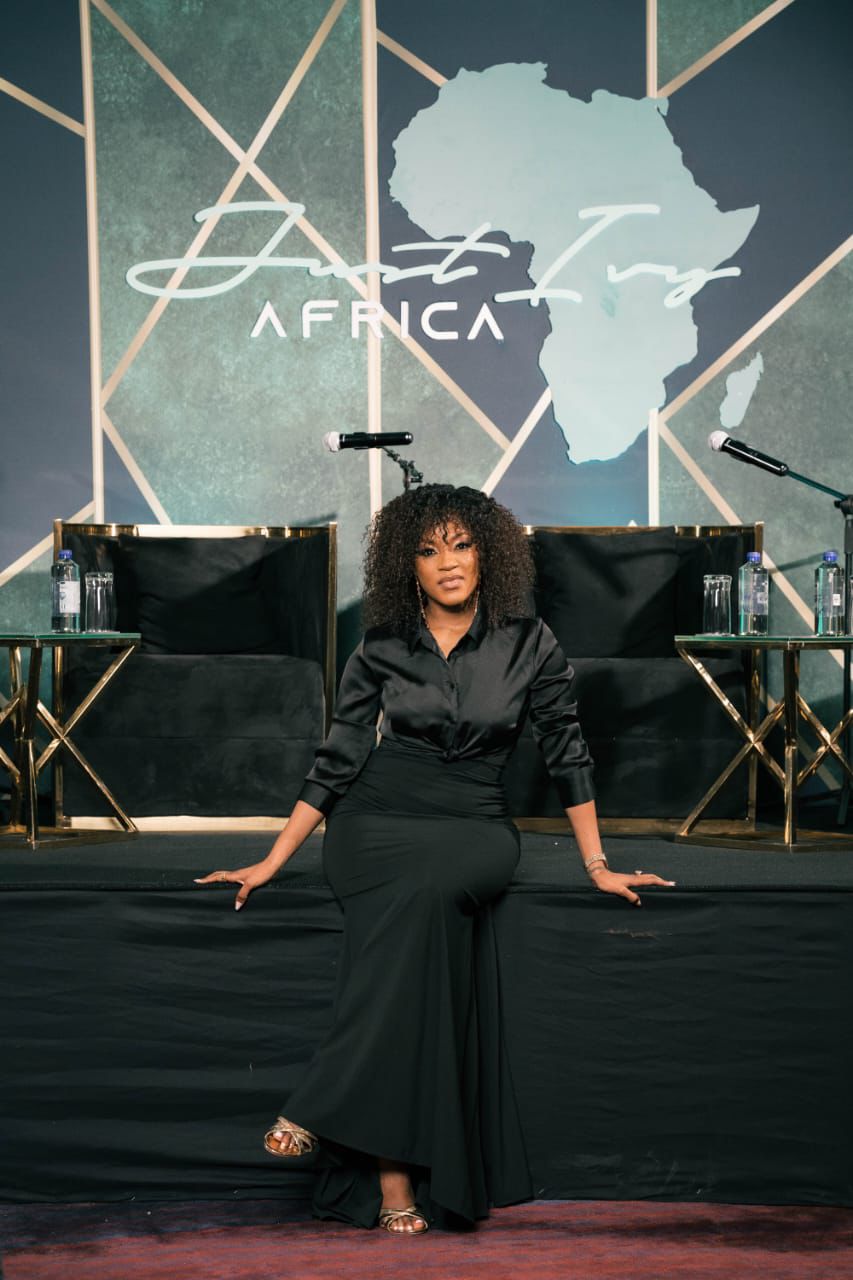
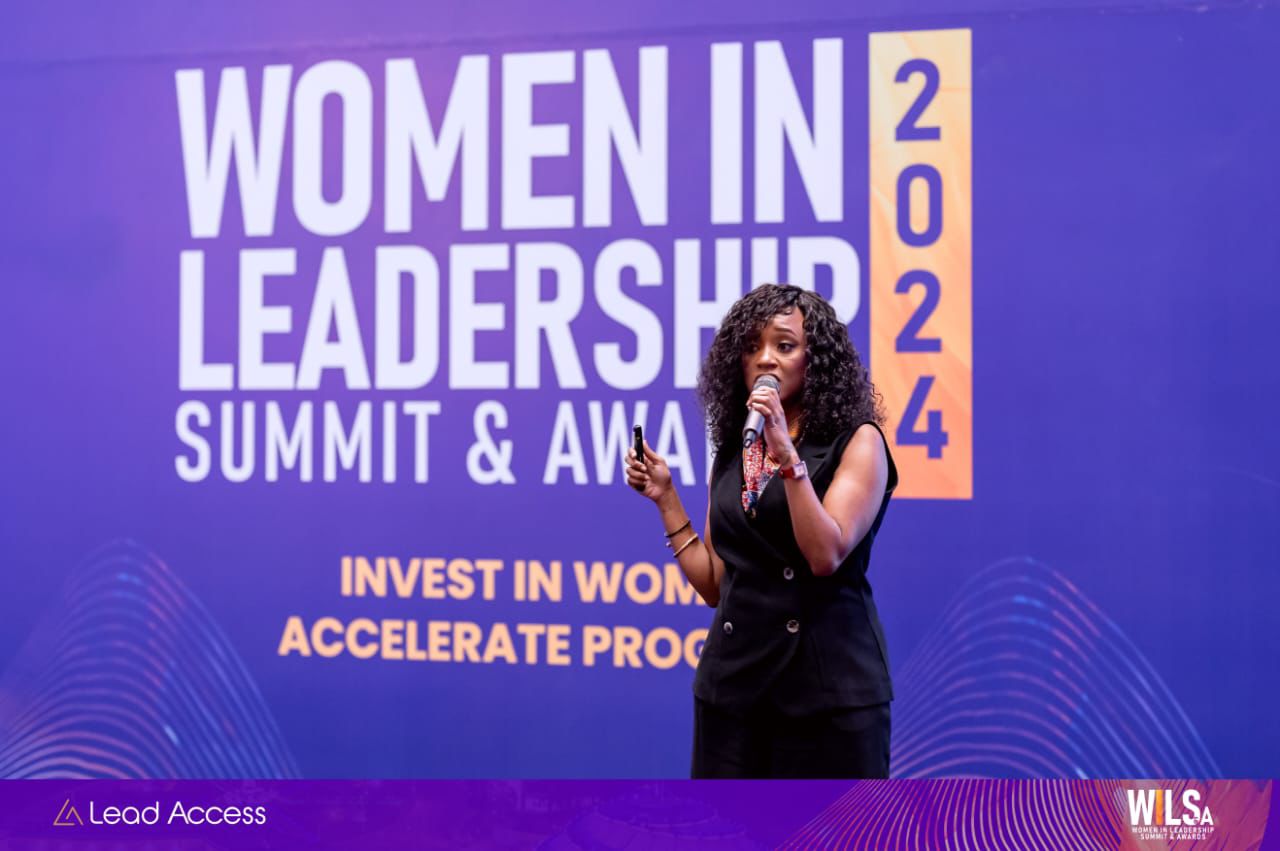
Ivy Wanjiru Mugo, widely known as ‘Just Ivy Africa,’ is an Award-Winning Marketer, content creator, Digital Entrepreneur, and Investor. Recognized among the 100 Most Impactful Voices, 50 Most Influential Women, and Top 25 Women in Digital in Kenya in 2024, she also won LinkedIn Influencer of the Year 2024. With over 15 years of expertise in Digital and Experiential Brand Building, Ivy has emerged as a Pan-African Voice in Money Matters, an adept Conversation Moderator, and a skillful Experience Curator. She uses her platforms to simplify and share financial education for women and youth across Africa.
Iyy founded The Movers’ Society, a life literary academy empowering individuals in financial literacy, public speaking, and career transformation. In 15 months, the academy has educated over 650 students through its programs, trained 950 corporate professionals, helped Movers invest over $650,000, and grown a newsletter with 7,200+ subscribers
Read the full interview below.

You’ve had a 15+ year career in marketing and digital brand building. Looking back, what defining moment set you on the path to becoming Just Ivy Africa?
COVID and a career in content creation that seemed to feed my vanity but not my bank account. Likes, followers, a busy calendar, but I was struggling financially I carried on my money conversations, it was steadily becoming obvious that Kenya started it all, but those same stories were relatable to others across the continent and the globe as well. So to be clear, there was Just Ivy then, there was Just Ivy Africa.
Growing up, did you always envision yourself working in finance and brand building, or was there a turning point that drew you in?
I never imagined I’d be doing what I do now. In fact, I started on a pretty traditional path – I studied Journalism and went into Sales and Marketing, and I figured I’d climb the corporate ladder. I actually thought I’d become a Managing Director in a multinational company one day (I am now, of my own company, but yeah), handling big brands from behind a boardroom table. Finance wasn’t on my radar then, and being a content creator certainly wasn’t a “career” people talked about when I was in school. The turning point came a bit later in life, around my late twenties. My friends and I started a fun YouTube Channel called Over Twenty Five just as a creative outlet, and that was my first taste of content creation. But the real pivot toward finance happened when I had an uncomfortable revelation: despite working tirelessly, I was financially illiterate. I knew how to earn and save money, but I had no clue about investing or growing wealth. That lightbulb moment hit me, and I realized I couldn’t be alone. There were so many of us, young professionals, just winging it with our finances, and that’s what drew me in. I became almost obsessed with learning everything about money management, investing, and personal finance. And as I learned, I started sharing that journey and took my community and audience with me. So my career trajectory changed from pure marketing into this blend of championing financial literacy and brand building. It wasn’t a childhood dream. I still can’t tell you I know it’s 100% where I’m meant to be, but I can say I really enjoy paying myself first. In hindsight, not envisioning it from the start was a blessing, because I approached finance with fresh eyes and genuine curiosity, which I think my audience really appreciates.

You’ve been voted among the 100 Most Impactful Voices of 2024. In your opinion, what makes a voice truly impactful in today’s digital space?
First off, being listed among the 100 Most Impactful Voices of 2024 was so awesome. Wow. In the fast-paced digital space, I believe a truly impactful voice resonates on a deeper level and sparks change, not just one that makes the loudest noise. Three things come to mind: authenticity, value, and connection. By authenticity, I mean being true to yourself and your message. Audiences today are very savvy and can sense when someone is faking it. I’ve found that sharing my real experiences, including failures and lessons learned, creates trust and impact far more than pretending to be perfect. In terms of value, an impactful voice offers something useful. Whether it’s knowledge, inspiration, or even just a moment of joy. One of the globe’s top marketing heroes, Seth Godin, says that to be heard, you should be remarkable, do or say something worth talking about. I try to ensure that whenever I speak or create content, there’s a takeaway for my audience. It could be a new financial tip or a mindset shift or a simple life ahaa moment covered in humor and humanity, but it has to be meaningful. Finally, connection and engagement are key: an impactful voice listens as much as it speaks. I love fostering dialogue, like when a post turns into a thread of people sharing their own money stories or career advice. That two-way engagement means you’re not just talking at people, you’re building a community. So to sum it up, an impactful digital voice today is authentic in its story, generous in the value it gives, and deeply connected to its audience’s heartbeat. That’s the kind of voice I strive to be every day.
As a multi-award-winning content creator and marketer, what’s your secret to staying relevant in an ever-changing digital landscape?
The digital landscape changes at lightning speed, with new platforms, algorithms, and trends, and it can be discombobulating. My “secret,” if I were to call it that, is to embrace being a lifelong learner and to stay agile. I’m always asking myself, “What’s new, and how can I leverage it in a way that serves my purpose?”For example, if a new social feature comes out or a new trend starts, I don’t jump on it blindly, but experiment with it in the service of financial education or engaging my audience. I think my marketing background trained me to iterate and pivot quickly while keeping an eye on the data. If something isn’t working, I adjust; if something is working, I double down. One thing that keeps me grounded is remembering why I create content – to inform and empower. That core mission doesn’t change, even if I have to adapt the how. Consistency is also part of staying relevant: I’ve been doing Money Mondays every week, rain or shine, because I want my community to know they can count on me. At the same time, I’m not afraid to try new formats. I’ve done everything from short TikTok videos to long-form LinkedIn articles. You have to meet your audience where they are. Another big part is documenting my journey authentically. I took to heart Gary Vee’s advice to“document, don’t just create,” meaning I show the behind-the-scenes of my learning process, my business moves, even my struggles. By letting people in, all the while setting healthy boundaries, I stay relatable and relevant because we’re evolving together. And of course, I keep adding value. I’m a firm believer that if you consistently deliver value, you’ll never go out of style. And perhaps most importantly, have fun with it. Passion shines through, and that in itself keeps people coming back. (And for the record, launching a niche series like Money Mondays was a risk that paid off – what seemed “too serious” for Instagram ended up resonating with a huge audience, reaffirming that innovation and courage keep you relevant.)

With The Movers’ Society already managing over $400,000 in assets within a year, what key strategies helped you build such trust and momentum so quickly?
Correction. We just crossed 650K USD. Ahem. The number is great, but it all came down to trust and value from day one. One key strategy was education first, investment second, accountability third. Before asking anyone to put their hard-earned money into our investment club, I spent a lot of time providing free value, webinars, Q&A sessions, and financial literacy content. We essentially built a community before we built a portfolio. By the time we introduced actual investment opportunities, members already knew our ethos: that we’re here to learn and grow together. Transparency was another critical strategy. I was very open about my own investment journey – I’d share not just the wins but the mistakes I made and lessons learned. People appreciate honesty; it’s rare in the finance space where everyone only shows the bright side. I think showing that I’m human and in the journey with them created a lot of trust. Also, I partnered with credible experts. I know my limits – I’m a finance enthusiast and educator, but I’m not a licensed financial advisor. So I brought on board certified financial planners and investment professionals to offer guidance to our members. That added a layer of credibility; members could see that this wasn’t just an influencer gimmick, but a serious initiative with proper expertise. Consistency and reliability were key as well. We kept our promises – if we said there’d be a bi-weekly market newsletter or a monthly virtual meetup, we delivered it every time. In marketing, I learned that a brand is a promise, and you have to keep your promises to earn loyalty. I applied that lesson directly:every little deliverable was done with excellence, which in turn built confidence. We also fostered peer-to-peer engagement – members share their own tips and progress, which creates a sense of shared mission. When new people see an existing tight-knit group that’s enthusiastic and supportive, they want to be a part of it. Lastly, I’d say culture played a role. We established a culture of openness and “no stupid questions.” For young people, especially, finance can be intimidating. We made it clear that everyone is welcome to learn, regardless of their starting point. That inclusive, welcoming vibe helped us grow organically. People invited their friends and family, saying, “Come learn with us, these folks are the real deal.”
You’ve been nominated as LinkedIn Influencer of the Year. How has LinkedIn specifically shaped your brand and career?
Another correction, I was officially crowned LinkedIn influencer of the year in Kenya in 2024. It’s so funny because a few years ago, I hardly used that platform. But now I can say LinkedIn has allowed me to establish myself as more than just an “Instagram influencer.” On LinkedIn, I’m viewed as a finance and career thought leader, which is exactly what I wanted. I began writing about personal finance, economic trends, and even personal development topics, and the response was incredible. People were hungry for that kind of content in a professional context. LinkedIn will force you to consistently add depth to your content. It’s a platform that values insight and authenticity over virality. I mean, on Instagram, a funny reel might get you followers, but on LinkedIn, it’s the quality of your ideas that gets you followers. That pushed me to research more, to back up my points with facts, and to really hone my voice. It’s also where I embraced the title “Thinkfluencer,” meaning someone who actually influences thinking, not just aesthetics.

You’ve positioned yourself as a Pan-African voice in money matters. What financial misconception do you see most often among African youth, and how do you tackle it?
One of the biggest misconceptions I encounter among young Africans is the idea of “quick money” –this belief that you can turn a little into a lot overnight, or that there’s some shortcut to wealth. I see it manifest in so many ways: from falling for get-rich-quick schemes, to stock trading frenzies, to thinking a sudden crypto bet will solve all money problems. The truth I’ve learned, and try to teach, is that real wealth is usually built gradually. I like to refer to the story of Aliko Dangote as a lesson: he’s the richest black man in the world now, but it took him decades of building businesses to get there. In fact, his first enterprise was a small trading company started with a modest loan from his uncle. There was no overnight miracle – just consistent growth, reinvesting, and scaling up over the years. I use examples like that to remind myself and, inherently, young people that patience and persistence pay off more reliably than any “easy money” allure. Another common misconception is thinking “I’m too young to invest or worry about finances, or I don’t earn enough to start.” A lot of youth feel like serious financial planning is for their 30s or 40s. I challenge that mindset by showing them how even small habits now – saving a bit of your campus stipend, learning about stocks with just $10, etc. – can snowball into big advantages later. I tell them about the power of compound interest; it’s the closest thing to magic in finance, but it needs time to work, so the earlier you start, the better. The way I tackle these misconceptions is through education and relatable content. I share my own financial mistakes and growth openly. For example, I once admitted how I used to just let money sit in a savings account or a basic SACCO, because I didn’t know better – and how discovering stocks and bonds was eye-opening for me. By being vulnerable about that, I invite them to learn with me rather than lecturing them. I also bring on young people who have had success with disciplined investing or saving to share their stories. Peer examples are powerful. And I constantly emphasize financial literacy as a journey. I’ll often say, “We’re in this learning process together.” That message resonates because it’s less intimidating – they feel like they’re not being talked down to. Lastly, I encourage a long-term mindset. One quote I love is from Alex Hormozi, who says you should“play long-term games with long-term people.” I interpret that for finance: surround yourself with folks who have sustainable goals, and think about where you want to be in 5 or 10 years, not just next month. So I organize goal-setting workshops, investment clubs (like Movers’ Society), and consistently remind the youth that building wealth is a marathon, not a sprint. It’s about shifting the culture from “get rich quick” to “get rich for sure”, through knowledge, patience, and smart choices. When they embrace that, that’s when I know I’ve made an impact.
How do you balance making finance enjoyable and digestible without losing its seriousness?
This balance is the heart of what I do, and it’s something I’m super intentional about. I firmly believe in “edutainment” – educating through entertaining content. I approach finance the way a good teacher approaches a tough subject: break it down, use stories and analogies, and even throw in some humor where you can. However, I never compromise on accuracy and depth. The information must be correct and valuable once I’ve got someone’s attention. It’s like sneaking vegetables into a yummy chicken stew– the entertainment is the flavor, but the nutrients (serious knowledge) are still in there. Chimamanda Ngozi Adichie uses storytelling to discuss very profound issues; she’ll captivate you with a story, and by the end, you realize you’ve learned something deep (and referred to the dictionary many MANY times, LOL). I try to emulate that in a financial sense.
What has been the biggest challenge in your career so far, and how did you overcome it?
The biggest challenge in my career has been carving out legitimacy in a relatively uncharted space filled with CFAs. When I stepped out of a conventional marketing career into the world of digital content creation – especially focusing on money matters – there were a lot of raised eyebrows. People couldn’t quite understand what I was doing. Some thought I’d thrown away a “real” career. I did face some subtle(and not-so-subtle) skepticism. I remember a few instances early on where people would say things like, “Do you really understand finance, or are you just winging it?” There was also the internal challenge of impostor syndrome. Here I was giving others financial tips, yet I was still learning and growing myselfy own money. There’s a particular pressure that comes with that. In fact, some people assumed that because I was visible and talking about money, I must already be wealthy or a certified expert – they didn’t realizewe were learning together. Managing those expectations and still keeping my credibility was a juggling act. I overcame this challenge through a mix of vulnerability, continuous learning, and communitysupport. I doubled down on being vulnerable enough to say ‘I don’t know much and continued learning. I read books, took courses, and basically ensured I stayed a step ahead of the content I was putting out. Confidence comes from competence, so the more I learned, the more I felt I deserved to be where I was. Mentorship and advice from industry leaders also played a role. A piece of advice that really stuck withme was from my mentor, Caroline Mutoko, who once said (paraphrasing) that as women we must “walkinto every room like we have a right to be there.” That bolstered me during moments I felt out of place.Over time, as my work started getting recognized, awards, features, tangible results like successfulinvestors from Movers’ Society, the noise died down. The results spoke for themselves. That journey was tough, but overcoming it made me more resilient and proved to me that I can handle whatever new challenges come my way in the future.
If you could give one piece of advice to young African women entering the digital and financespace, what would it be?
Just one piece of advice? Lol! I have a whole list! But if I must distill it: Believe in yourself relentlessly,and start now. Don’t budget for shame – it’s too expensive. The digital and finance spaces might seem intimidating, they can be male-dominated, sometimes unwelcoming. But we need more African womenin these arenas, and you absolutely have something unique to contribute. Don’t wait for permission orfor the “perfect moment” or even for when you think you know everything (newsflash: we’re all stilllearning every day). If you have an idea for a blog, a YouTube channel, a fintech startup, anything – begin with what you have and where you are. Equally important, arm yourself with knowledge and skills. Be hungry for information. In finance, learnthe basics – how to budget, how investing works, etc. In digital, understand the platforms and tools that can amplify your voice. Now, specifically to my African sisters: embrace what makes you different. Whether it’s your perspective, your background, your accent, your style – that’s your strength. The worlddoesn’t need you to fit a mold; it needs you to break molds. When I started, I made a conscious decisionto infuse my personal perspective into everything. That authenticity will set you apart.One more thing: as you climb, lift others. This space can be competitive, but remember, there’s room for all of us. Support other women’s projects, share opportunities, and collaborate instead of competing. We rise higher when we rise together. And finally, I’ll slip in a quick second piece of advice (I know I was supposed to give one!): Don’t be afraidof failure. You will make mistakes; a campaign might flop, an investment might not pan out. It’s okay. Each setback is a lesson in disguise. The first video I ever posted for Money Mondays had a handful ofviewers, and I felt so discouraged! Imagine if I had stopped there! Keep going, refine your approach, but keep going. As long as you stay true to your mission and keep learning, you will make an impact. I’m cheering for you. The world needs your voice, so step up to the mic.
Ten years from now, what impact would you like Just Ivy Africa and The Movers’ Society to beremembered for?
Ten years from now, I hope the impact of Just Ivy Africa and The Movers’ Society will be felt incountless success stories and a lasting shift in how our communities handle money. I’d like us to beremembered as a catalyst for financial empowerment among African youth and women. I envision hearing things like, “Because of that video/story/article, I started saving and now I own my home,” or “I was inspired to start my business and today it’s thriving.” I want to see the seeds we’re planting now grow into a forest of financially savvy, confident Africans who aren’t afraid of words like “investment” or“stock market” or “budget”. If in 2035 there’s an entire generation that finds talking about moneynormal and even enjoyable – where parents teach kids about investing early, where young women areleading fintech startups, where personal finance is a common topic in pop culture – I’d feel we played arole in that cultural shift. For The Movers’ Society specifically, I’d love for it to be a much larger platform by then – perhaps managing millions of dollars in assets, but more importantly, having educated and uplifted thousands of members. I hope it becomes a model for how community-driven finance can work. Maybe by then we’llhave chapters across Africa, funding projects from Nairobi to Lagos to Kigali, who knows? And perhapssome of our Movers will have “graduated” to start their own investment clubs or funds, creating a rippleeffect. The impact is legacy: I want us to be remembered for changing lives.I also think about influence beyond individual lives – like contributing to closing the gender wealth gap. IfJust Ivy Africa’s legacy includes more women confidently handling their finances, negotiating salaries,investing in stocks, and properties, that would be amazing. I’d love it if universities or schools incorporatesome of the content we’ve created, or if policies are influenced by the conversations we’ve started(dream big, right?). Essentially, I’d want our work to live on in the behaviors and mindset of people.That’s the legacy I’m working towards every day, and that’s how I’d love to be remembered.