Artificial Intelligence may be built on codes and datasets, but its impact is deeply human. A growing league of African women is making sure that impact is purposeful and just.
They are not sitting back as algorithms are written elsewhere and exported wholesale to the continent. They are inside the labs, the policy rooms, the research institutes, and the boardrooms, making sure Africa’s realities, histories, and voices shape this revolution.
Some are scientists probing the frontiers of machine learning. Others are policy thinkers making sure regulation keeps pace with innovation. Many are founders who saw a gap and built something audacious enough to fill it. What unites them is a refusal to let Africa be a passive consumer of technology.
This list is a celebration of the women who know the stakes. Biased algorithms can lock women out of opportunities, exploit vulnerable communities, and reinforce old prejudices. But when built with care and context, AI can help diagnose diseases faster, predict floods before they devastate villages, empower smallholder farmers, and create new economies of scale for an entire continent.
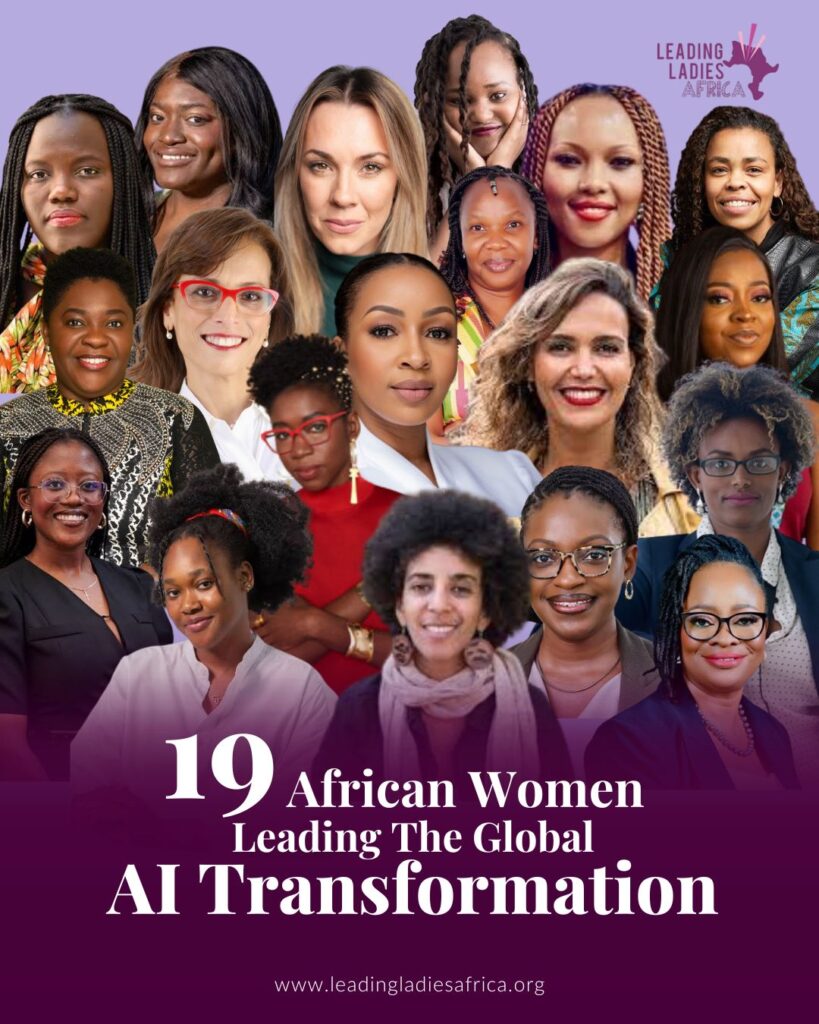
Meet 19 African women championing Artificial Intelligence, and in doing so, championing Africa’s place at the center of the world’s technological future.
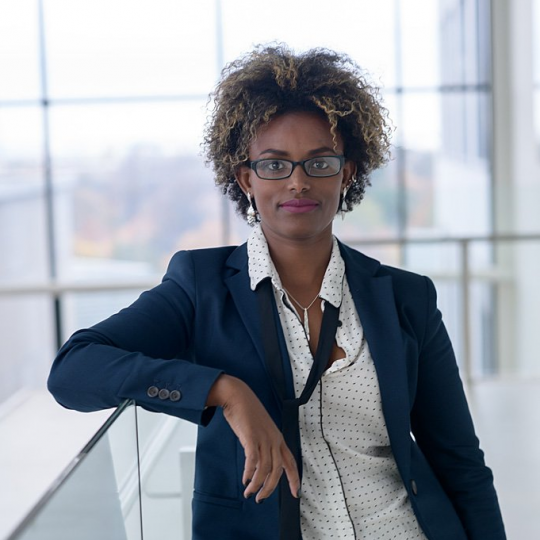
Abeba Birhane — Abeba Birhane is the Founder and Principal Investigator of Trinity College’s Artificial Intelligence Lab, and has made a career of asking uncomfortable questions of machines and the people who build them. An Ethiopian-born cognitive scientist, she stepped into the AI space with one pressing concern: what happens when algorithms built to “see” the world actually replicate its ugliest prejudices? Her work revealed just that. She uncovered how widely used datasets like ImageNet and MIT’s 80 Million Tiny Images were riddled with racist slurs and misogynistic labels, research that forced MIT to take one dataset down entirely. For Birhane, this was never about nitpicking code. It was about power; who designs AI, whose voices are erased, and who bears the brunt of biased systems. Her research shows how automation deepens inequality if left unchecked, with older workers flagged as “unemployable” to African immigrants tagged as “outsiders,”
Today, she is a Senior Fellow in Trustworthy AI at Mozilla Foundation and an Assistant Professor at Trinity College Dublin. Her mission is to make AI serve the public interest, particularly the marginalized who are too often treated as data points rather than people. She was named among TIME’s 100 Most Influential People in AI, honored in the Women in AI Ethics Hall of Fame, and decorated with awards from NeurIPS to VentureBeat. But accolades aside, Abeba’s work signals something bigger: Africa will not be a passive consumer in the AI revolution.
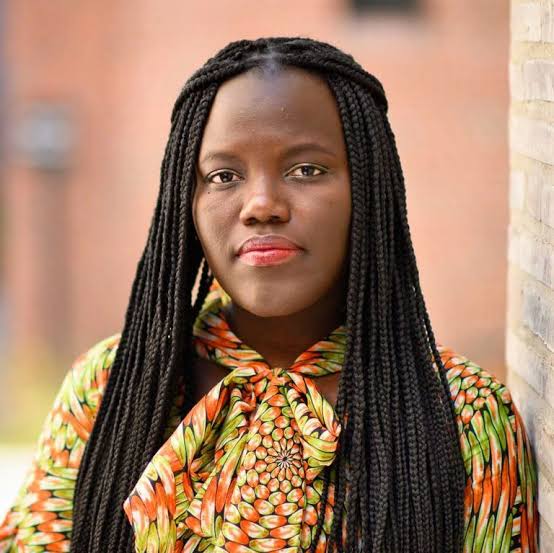
Adji Bousso Dieng — Adji is rewriting what it means to be African in the age of Artificial Intelligence. The founder of The Africa I Know, Adji was born in Kaolack, Senegal, far from Silicon Valley but now sits at the very frontlines of AI research. Today, she is an Assistant Professor of Computer Science at Princeton University, the first Black faculty member in the department’s history, where she leads Vertaix, a lab at the intersection of AI and the natural sciences. The Africa I Know is a nonprofit dedicated to shifting how Africa is seen and how Africans see themselves. At its heart lies a mission: to ensure young Africans are not left spectators in the AI revolution, but leaders, creators, and pioneers.
Formerly a Research Scientist at Google AI, Adji earned her Ph.D. from Columbia University under renowned mentors, her doctoral thesis winning the prestigious Savage Award. Along the way, she collected honors like the Google Ph.D. Fellowship in Machine Learning, Columbia’s Outstanding Recent Alumni Award, and the Annie T. Randall Innovator recognition for research and advocacy. Schmidt Futures named her an AI2050 Early Career Fellow, one of the voices shaping the future of intelligence itself.
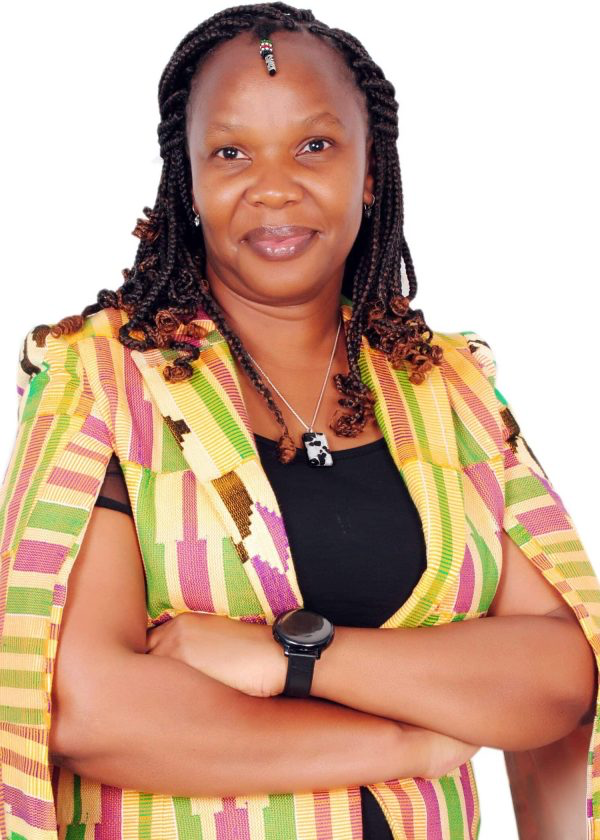
Dr. Angella Ndaka — Angella Ndaka is a woman who refuses to let Africa watch the AI revolution from the sidelines. A feminist scholar, policy strategist, and AI ethics expert, she has made it her life’s work to ensure that technology’s future is fast, but more importantly, fair. With a PhD in Sociology and Gender Studies from the University of Otago, and on Kenya’s farmlands and global policy tables, Angella’s mission is clear: AI must serve communities, not erase them. At Athena Infonomics, she leads work on AI and equity in agriculture, shaping policies that ensure smallholder farmers—especially women—benefit from digital tools.
Through the Centre for Epistemic Justice Foundation, she spearheads projects with partners like IDRC Canada to make women’s voices central in AI design and governance for Africa’s agrifood systems. Her career has touched the UN’s Food and Agriculture Organization, PASGR, and grassroots movements, blending high-level policy work with on-the-ground impact. Recognized among the 100 Brilliant Women in AI Ethics and as the Women in AI Award 2023 winner, she uses her platform to challenge the dominance of Western tech narratives and push for African-led innovation. For Angella, the AI future is inevitable, but also very negotiable. And she intends to negotiate it in Africa’s favor, ensuring the continent’s knowledge systems, values, and people shape the algorithms that will define the next century.
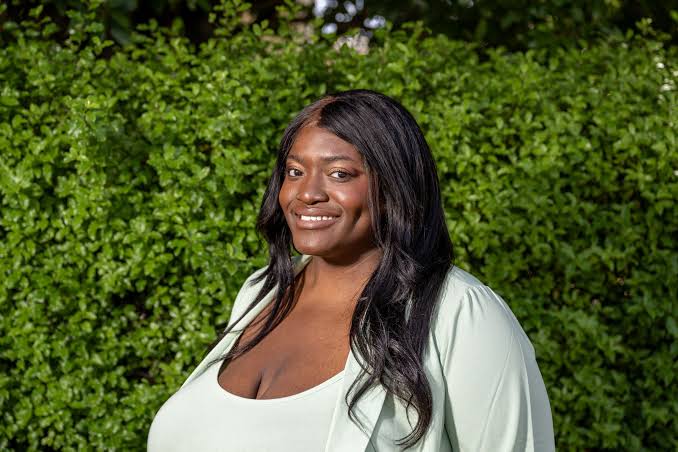
Ayodele Odubela — Ayodele Odubela understands that artificial intelligence can change the world, but she’s determined to make sure it doesn’t change it for the worse. A data scientist turned AI ethics leader, she founded the AI ALT Lab to imagine a future where algorithms serve everyone, especially those most at risk of being left behind or harmed. Her career has taken her from auditing HR algorithms and deploying machine learning tools at startups, to shaping Responsible AI education at Microsoft. There, she translated dense academic research into accessible case studies, wrote documentation for the FairLearn package, and developed fairness curricula now used by developers around the world. She’s also brought Responsible AI principles into classrooms at Flatiron School and Pluralsight, equipping the next generation to build technology with ethics as a default setting.
As a policy advisor to Vera and the U.S. National AI Advisory Committee, she has contributed to reports for the President—now preserved in the Library of Congress—and evaluated AI systems for bias and compliance with groundbreaking laws like New York City’s Local Law 144. Her custom AI evaluation frameworks and governance recommendations have been adopted by both government agencies and major tech companies. An African woman in a field still grappling with representation, Ayodele blends technical mastery with personal insight into AI’s harms. In advising on equitable deployment, mapping stakeholders, or building advocacy plans, her work ensures that AI’s future will be not only innovative, but fair, transparent, and grounded in human rights.
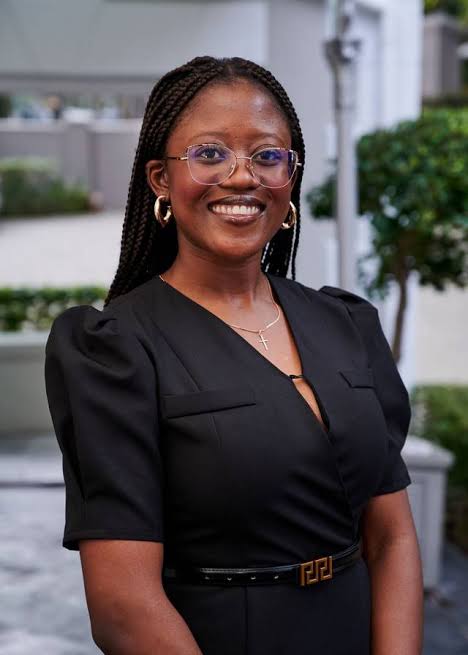
Chido Dzinotyiwei — Chido Dzinotyiwei is building an AI future that speaks to Africa, literally. As Co-Founder and CEO of Vambo AI, she is leading one of the continent’s most ambitious technology missions: creating multilingual generative AI tools for over 40 African languages, alongside 20 global ones. In a world where most digital platforms ignore indigenous tongues, her work ensures that innovation doesn’t arrive in Africa stripped of its voice. Vambo AI’s signature platform, Vambo Studio, equips developers, creators, and enterprises to integrate African language capabilities into their products with localised chatbots, transcribing Amharic audio, or generating culturally resonant content in isiZulu.
Her goal is simple yet radical: make Africa’s languages as visible in AI as they are in the streets, schools, and markets of the continent. In 2024, Chido walked away from a secure role at Standard Bank—with no steady revenue and no startup playbook—to build something the world hadn’t seen. Today, she has raised over $100,000 in equity-free funding, landed game-changing partnerships, and launched Africa’s first multilingual GenAI API covering 44 languages. Her work has earned the Aanit Prize for Social Impact, recognition in Forbes Africa, and a place on Slator’s Top 50 Language AI Startups.
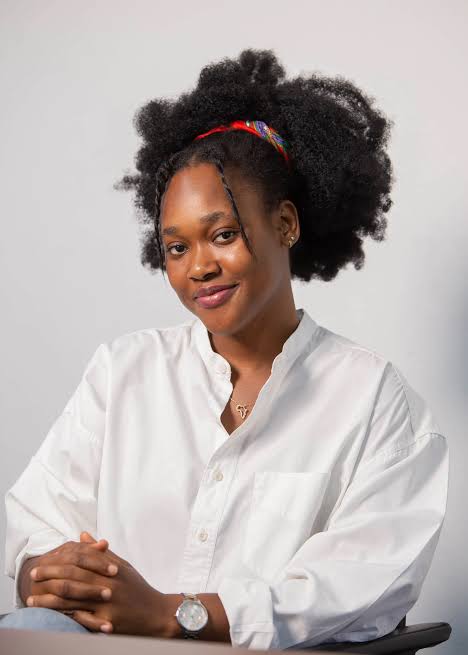
Charlette N’Guessan — Charlette is not in the business of waiting for Silicon Valley to solve Africa’s problems. An Ivorian software engineer and entrepreneur, she has built her career where innovation meets necessity by designing technology that responds to Africa’s realities rather than ignoring them. In 2020, she became the first woman ever to win the Africa Prize for Engineering Innovation, after co-founding BACE Group and developing BACE API, a secure facial recognition system that strengthened Africa’s digital identity framework while tackling online fraud head-on. That recognition marked a turning point in how African-led AI solutions could shape the continent’s future.
Today, Charlette leads Data Solutions and Ecosystems at AMINI, a deep-tech company harnessing artificial intelligence and space technology to solve one of Africa’s greatest challenges: data scarcity. By building scalable infrastructure for environmental and climate data, AMINI is creating the foundations for sustainable, data-driven development across the Global South. Her work is, in essence, giving the continent the tools to write its own data story. She is also the founder of Afrokwary, a network she founded that amplifies African scientists and. dismantles systemic barriers. Charlette has advised the African Union on AI governance, co-authored influential books on technology, and been named among the top African women advancing AI globally.
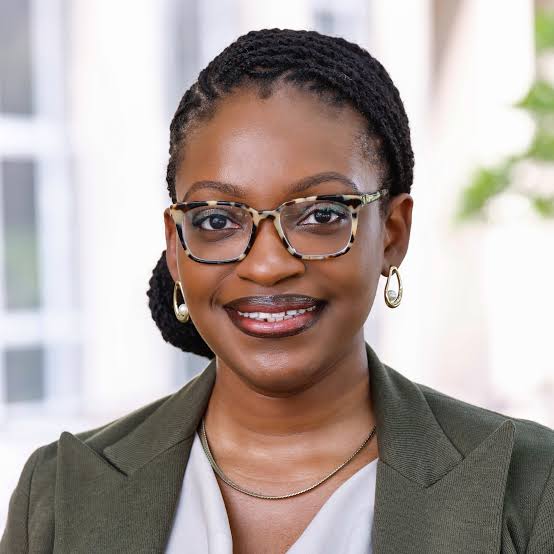
Dr. Chinasa T. Okolo — Chinasa is a Nigerian American computer scientist and fellow at The Brookings Institution who has built her career asking hard questions about how technology lands in places too often treated as afterthoughts—the villages, clinics, and communities of the Global Majority. Her Ph.D. research at Cornell University took her into rural India, where she sat with frontline health workers to understand how they perceived and trusted AI in their daily practice. That same curiosity drives her work today: unpacking how African governments can craft strong AI and data governance, analyzing the geopolitics of AI, and exposing the risks of algorithmic marginalization across the continent.
She has been recognized for her high impact work. TIME named her among the 100 most influential people in AI. Forbes honored her on its inaugural 30 Under 30 AI list. She has also been celebrated as one of 100 Brilliant Women in AI Ethics and one of the Most Influential Africans of 2024. Chinasa was a part of the team that drafted Nigeria’s National AI Strategy, advised the African Union on its AU-AI Continental Strategy, and contributed to the International AI Safety Report. In policy rooms, research labs, or media commentary, Chinasa pushes for a future where Africa is neither sidelined nor exploited in the AI race. For her, human-centered AI is the only path forward.
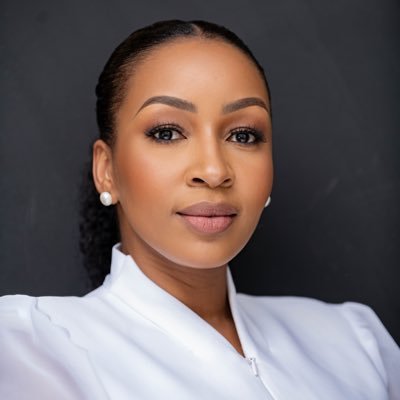
Faranja Nyalandu — Faraja Nyalandu is showing Tanzania and the world that education can be reimagined. For more than 15 years, she’s poured her passion into creating opportunities for children and women to reach their full potential. In 2013, she founded Shule Direct, a platform that digitizes the national curriculum and makes learning accessible to millions of young people across Tanzania and beyond. Her vision didn’t stop there, she went on to launch Ndoto Hub, the country’s first innovation space dedicated to helping women entrepreneurs grow their ideas and themselves.
Faraja’s work has earned her global recognition, from being named a World Economic Forum Young Global Leader to winning awards like Leading Woman in Technology in Africa. Yet at her core, she remains an education advocate who believes technology is one of Africa’s greatest tools for empowerment. Whether she’s shaping policy as Chairperson of the Tanzania Education Network or mentoring through regional initiatives, Faraja is rewriting what learning and leadership can look like for the next generation.
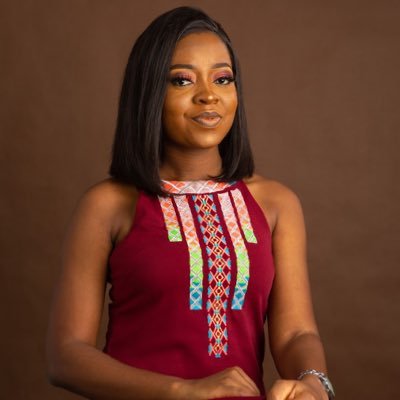
Ifeoluwa Dare — When Ifeoluwa Dare-Johnson looked at Africa’s healthcare system, she didn’t just see the gaps, she saw an opportunity to build bridges. With Healthtracka, the health-tech company she founded in 2021, Ifeoluwa is making medical diagnostics accessible, affordable, and just a doorstep away. With features like at-home blood testing and digital results within days, Healthtracka is reshaping how Africans take charge of their health and tackling issues like long queues and unnecessary delays, with an aim to provide proactive healthcare at the touch of a button.
What started as a bold idea after her Techstars Toronto accelerator journey is now a thriving company operating in 12 states across Nigeria, growing from a two-person team to 20 and counting. Whether it’s through self-sampling kits for STIs or creating API infrastructure for hospitals and pharmacies, Ifeoluwa is decentralizing healthcare and giving power back to the people. Her vision is clear: a healthier, more equitable Africa where managing your health is simple, seamless, and empowering.
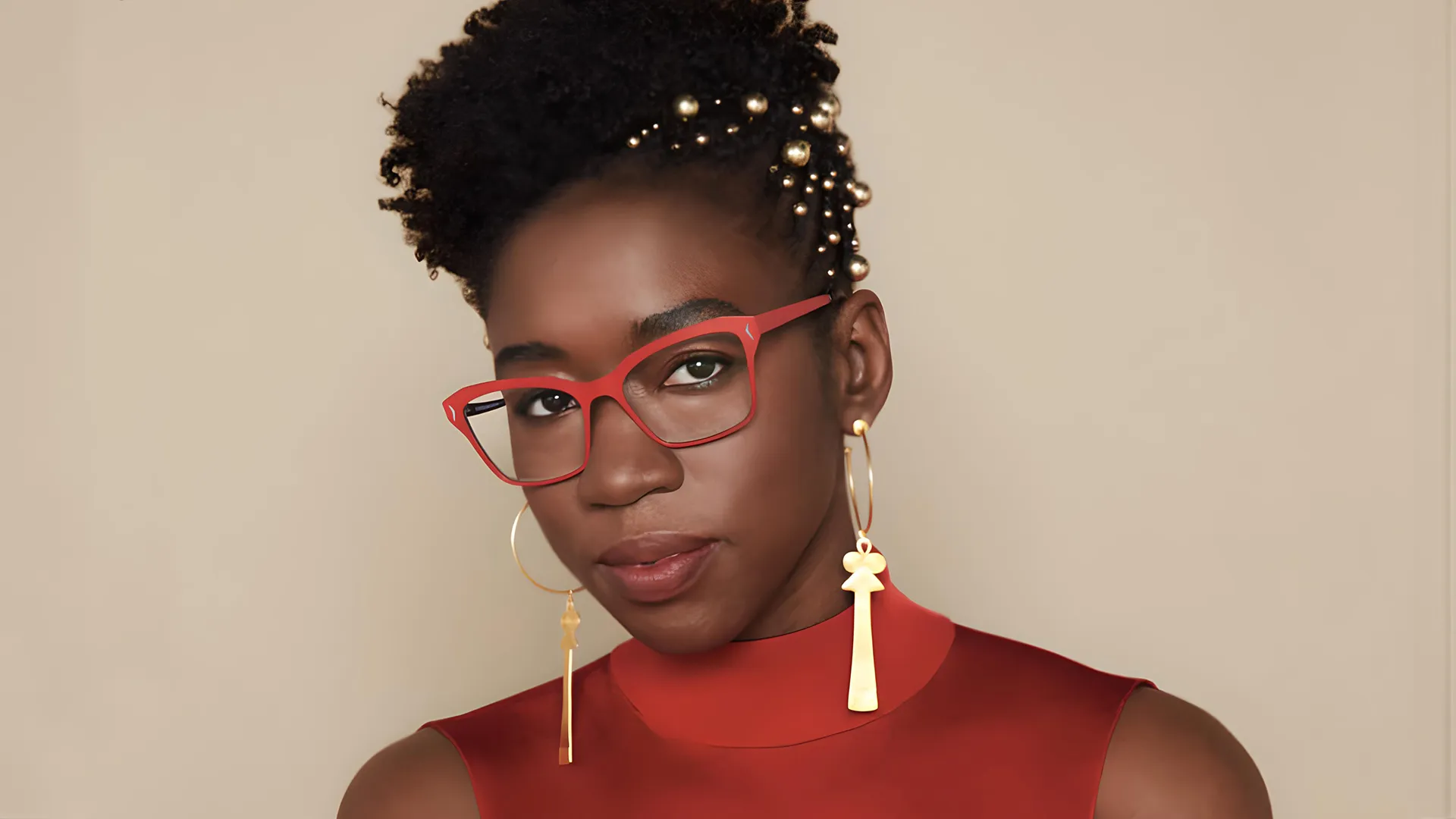
Dr. Joy Buolamwini — While working on an art project at MIT, Joy discovered that facial recognition systems could not consistently detect her face, simply because she was a Black woman. Instead of walking away, she chose to confront the issue head-on. Joy went on to start the Algorithmic Justice League (AJL), a movement using research, advocacy, and creativity to fight bias in artificial intelligence. Her now-famous project, Gender Shades, exposed how facial recognition technology worked better on lighter-skinned men than darker-skinned women, a revelation that forced major companies like IBM and Microsoft to re-examine their systems.
Today, Joy’s work reaches far beyond labs and codes. She’s shaping policies, advising governments, and sparking global conversations about fairness in technology. Currently, She is an Inaugural Accelerator Fellow with University of Oxford. Through AJL, she champions one powerful belief: that the future of AI must reflect the dignity, diversity, and humanity of us all.
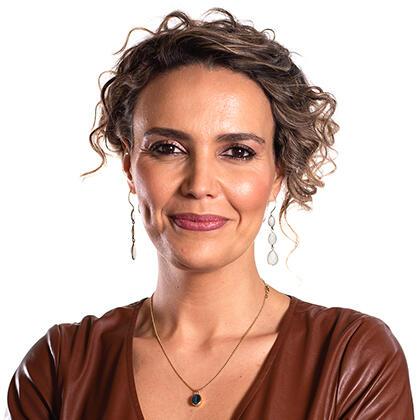
Loubna Bouarfa — Dr. Loubna Bouarfa is a Machine Learning Scientist who turned her deep expertise into a mission to transform how healthcare works. As Founder and CEO of OKRA.ai, she leads one of Europe’s most innovative AI companies in life sciences, building tools that help doctors and researchers bring the right drugs to the right patients, faster and with more precision. Her journey from electrical engineering and academic research into entrepreneurship is marked by a clear vision, to make AI in healthcare not just powerful, but trustworthy.
Beyond her company, Dr. Loubna has shaped the global conversation on ethical AI, serving on the European Commission’s High-Level Expert Group on AI and advising the UN on policy for developing nations. She also serves as a Member of The Board of Advisors for Oxford Internet Institute at the University of Oxford, and the Chairwoman of the AI Innovation Board for Envision Pharma Group. Also an Affiliated Lecturer for the University of Cambridge, Her impact has earned her recognition as an MIT Innovator Under 35, a Forbes Top 50 Woman in Tech, and CEO of the Year. Today, she stands as both a trailblazer in AI and a champion for women in technology, proving that science, when paired with courage, can transform lives.
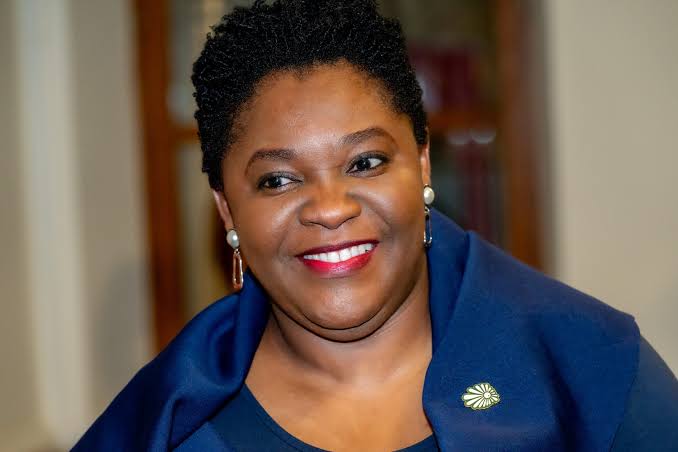
Dr. Lola Olukuewu — Dr. Lola Olukuewu is redefining what it means to merge technology, sustainability, and human impact. Through her academy, Bloom Academy For Artificial Intelligence (BAFAI), she is equipping professionals and entrepreneurs across the Global South with the tools to thrive in an AI-driven future, bridging the gap between global innovation and local opportunity. As the Founder of TOPAS Hub, Nigeria’s first eco-friendly tech and business hub, she champions sustainability while advancing technological innovation.
With over two decades of experience spanning hospitality, real estate, and technology, Lola has carved a niche as one of Africa’s foremost voices in artificial intelligence. MIT-trained in No-Code AI and Machine Learning, Lola made history as Nigeria’s First female Chief AI Officer, certified by the Copenhagen Institute for Technology. Her work with global giants like Google, Facebook, and Amazon underscores her global influence, while recognition from the Forbes Business Council to a special honor from the Georgia House of Representatives, highlight her trailblazing role in shaping technology’s future. She is a passionate mentor who has trained over 500 individuals, Lola is deeply committed to creating inclusive ecosystems where emerging economies can flourish. Her story is one of vision, resilience, and impact, a leader building not just businesses, but a sustainable digital future for generations to come.
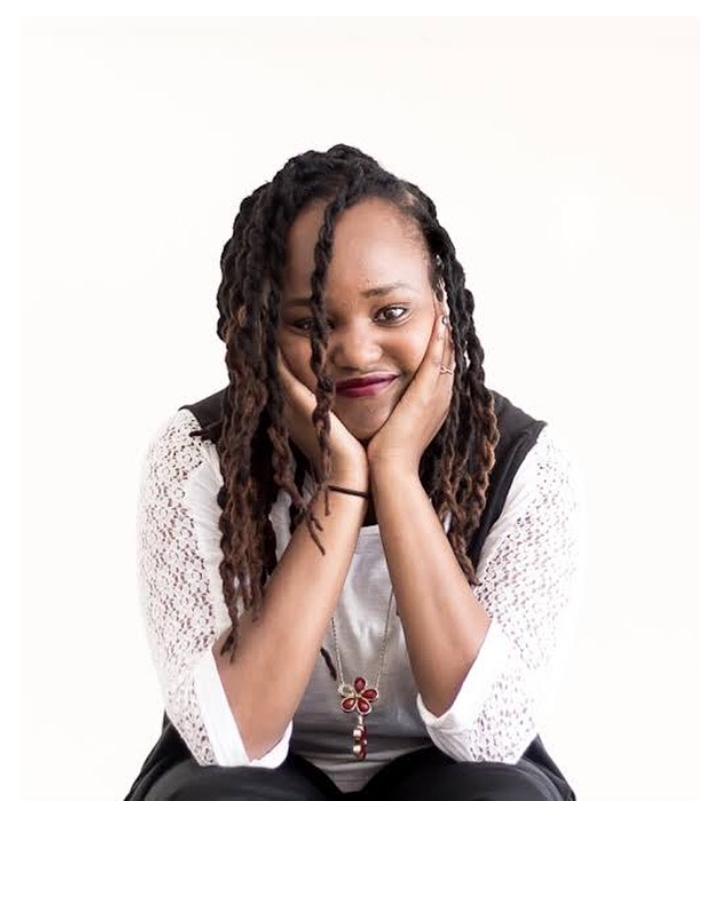
Muthoni Wanyoike — When Muthoni Wanyoike speaks about AI, she doesn’t just talk about algorithms, she talks about people, communities, and the future of Africa. As the Co-Founder of Nairobi Women Learning & Data Science, she has trained and mentored countless women, opening doors for them in STEM and proving that when women code, they bring fresh perspectives that redefine problem-solving. A Kenyan data scientist and AI advocate, Muthoni has dedicated her career to bridging the skills gap in AI while ensuring technology truly reflects African realities. Her passion and influence earned her a spot on Forbes Africa’s 30 Under 30 list, cementing her as a leading voice in the continent’s AI movement.
For Muthoni, AI is not about copying the West’s high-tech fantasies, but about solving Africa’s pressing problems in practical, transformative ways. She envisions technology that addresses challenges like traffic congestion, infrastructure, and representation in datasets, ensuring AI reflects Africa’s diversity of cultures, genders, and mindsets. Through her roles at Code for Africa, InstaDeep, and Deep Learning Indaba, she has championed ethical, inclusive, and impactful AI. Beyond advocacy, she is shaping the next generation of African technologists and pushing for a future where the continent not only consumes AI but leads in creating it.
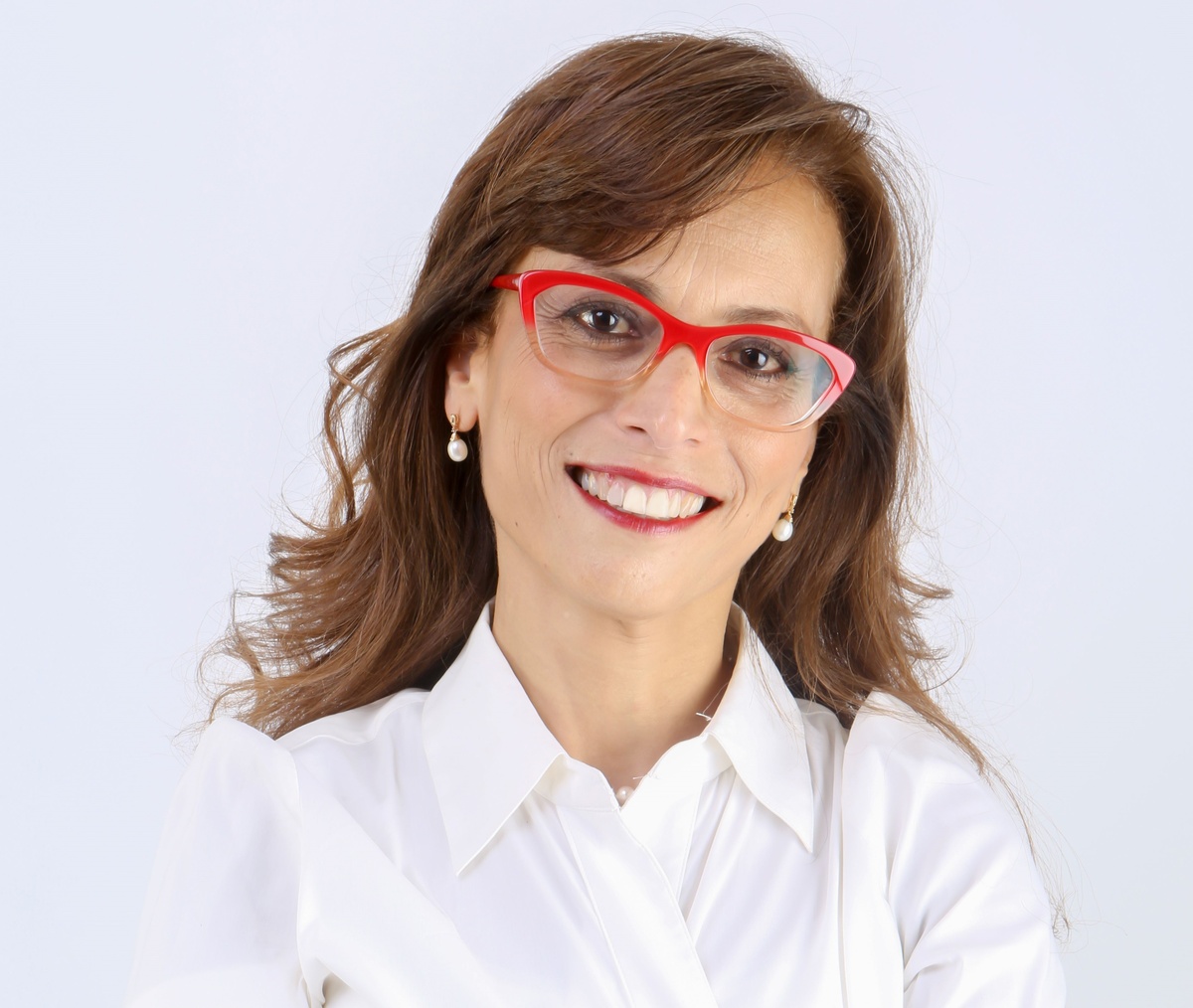
Dr. Nagla Rizk—Nagla Rizk is the Founding Director of the Access to Knowledge for Development Center (A2K4D) at the American University in Cairo, a Faculty Associate for Berkman Klein Center for Internet and Society, Harvard University, and a Professor of Economics. She has dedicated her career to shaping conversations around data governance, responsible AI, fair work in the gig economy, and gender inclusion across Egypt, the Middle East, and North Africa.
Rizk’s expertise sits at the heart of global decision-making tables, from the World Economic Forum’s Global Future Councils to the Paris Peace Forum and the Global Partnership on AI.
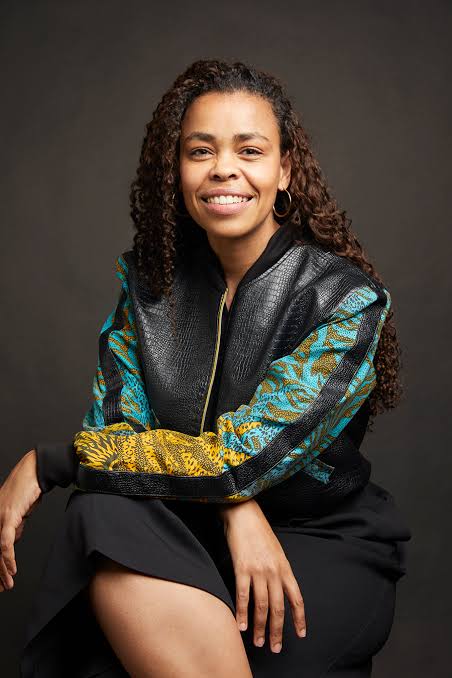
Pelonomi Moiloa — Pelonomi Moiloa is the Co-Founder and CEO of Lelapa AI where she leads a team building AI tools by Africans, for Africans, with a focus on making our languages, cultures, and names seen, heard, and respected in the digital world. She has created tools like Vulavula, which makes Zulu, Sotho, and other African languages accessible in customer service, to championing the correct pronunciation of African names, her work is deeply personal and unapologetically African.
Beyond innovation, Pelonomi is building bridges between technology and social impact. Recognized globally, where she was featured on TIME’s 100 Most Influential People in AI list. She also co-runs grassroots projects like Code Kamoso coding academy for girls.
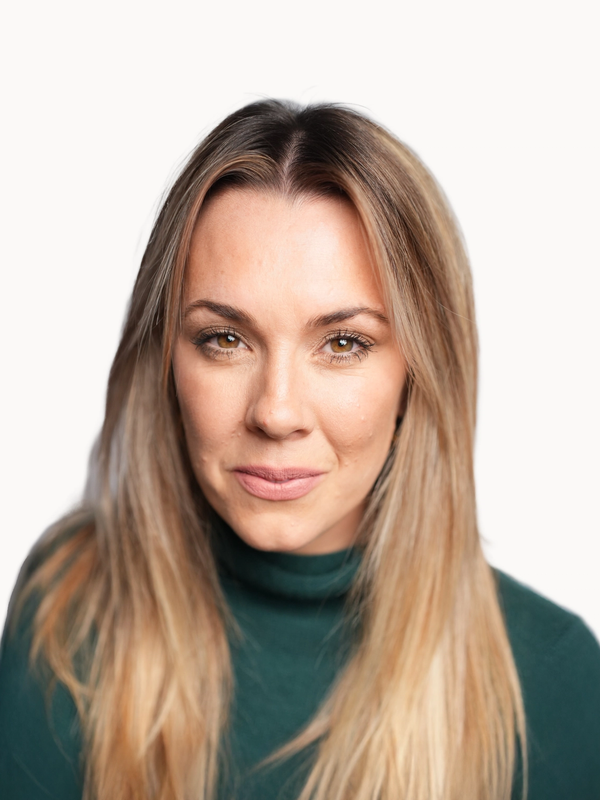
Rachel Adams — Dr. Rachel Adams is Founder and CEO of the Global Centre on AI Governance, and Director of the African Observatory on Responsible AI, where she’s shaping how artificial intelligence develops with Africa’s unique needs and voices front and center. She has led the Global Index on Responsible AI, advised UNESCO, the Gates Foundation, and the Global Partnership on AI (GPAI).
Rachel’s research is global, but her impact is profoundly personal, highlighting inequalities and creating frameworks for fair AI policies that can protect vulnerable communities. With publications like her upcoming book called ‘The New Empire of AI: The Future of Global Inequality’, she continues to prove that leadership in tech is about foresight, advocacy, and the courage to challenge systems before they leave anyone behind.
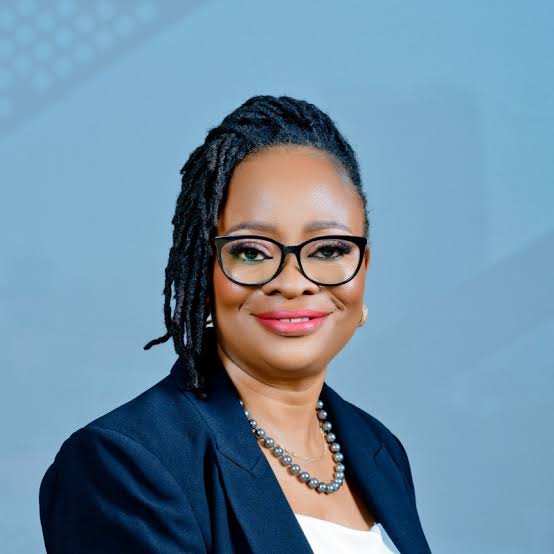
Olatomiwa Williams — Olatomiwa Williams is a dynamic force in Africa’s tech landscape. She is the Chief Growth and AI Officer for Middle East and African Growth Markets, where she is leading the course for growth and AI adoption across the region of Lagos to Accra, and throughout the Middle East. With over two decades of experience, she has been instrumental in driving cloud adoption and digital transformation across the region. Her leadership journey also includes roles such as the Digital Transformation and Cloud Solutions Director for Microsoft’s Middle East and Africa Multi Country Cluster, impacting over 60 countries.
Beyond her corporate achievements, Olatomiwa is deeply committed to fostering diversity and inclusion in technology. She founded the Uzemi Technology Empowerment Initiative, a non-profit organization dedicated to supporting women’s leadership in STEM fields. Her contributions have earned her recognition, including the Microsoft Gold Star Award for Excellence. Olatomiwa’s passion for mentorship and advocacy continues to inspire the next generation of tech leaders across Africa.

Timnit Gebru—Dr. Gebru is the Founder of the Distributed AI Research Institute (DAIR). DAIR is a collective of researchers and activists committed to developing AI that serves the public good, especially marginalized communities. She is a trailblazing AI researcher, advocate, and visionary reshaping the future of technology with ethics and justice at the forefront. Born in Addis Ababa, Ethiopia, and now based in the U.S.
She is also the Co-Founder of Black in AI, a nonprofit dedicated to increasing the presence and inclusion of Black people in the field of artificial intelligence. Her groundbreaking research has exposed deep biases in facial recognition systems and large language models, challenging the tech industry to confront its blind spots. Her work continues to inspire a global movement advocating for responsible AI, transparency, and the dismantling of systemic biases in technology. She is recognized as one of TIME’s 100 Most Influential People in 2022 and honored by the BBC’s 100 Women list in 2023.

Winnie Karanu— Winnie Karanu is a dynamic force in Africa’s digital transformation landscape. As the AI National Skills Director at Microsoft Kenya, she leads initiatives aimed at training 1 million Kenyans in AI and cybersecurity by 2027. Her work focuses on empowering individuals, SMEs, and organizations with the skills needed to thrive in the digital economy, aligning with Kenya’s Vision 2030 and Digital Masterplan.
Beyond her role at Microsoft, Winnie is deeply committed to fostering diversity and inclusion in technology. She has been involved in various initiatives aimed at increasing the participation of women in AI and digital skills development. Her leadership is instrumental in shaping Kenya’s digital future, ensuring that the benefits of AI and technology are accessible to all.