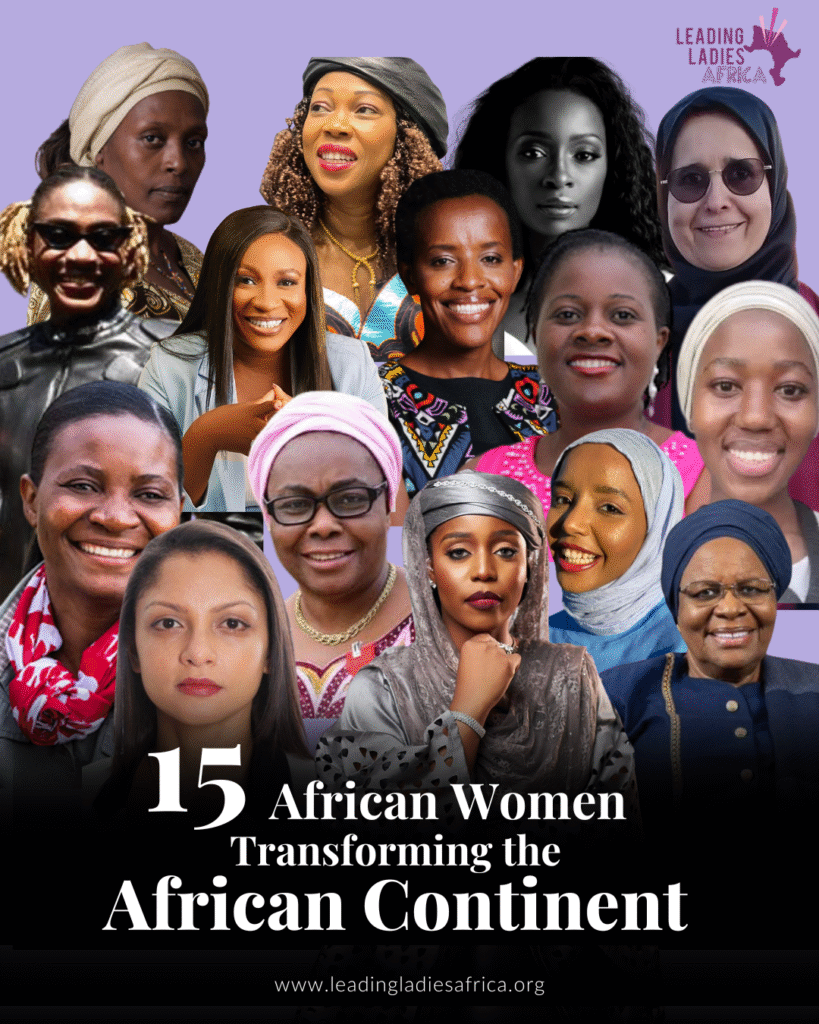
Who is transforming Africa? The women who refuse to wait their turn.Africa has always had brilliance, courage, or vision. It has always had women who are not waiting for history to remember them, but shaping it in real time. These 15 women are doing just that, transforming how Africa works, thrives, and is seen by the world.
In Sierra Leone, South Africa, Uganda to Sudan, these women are choosing audacity over comfort. They are navigating corrupt systems, visa barriers, violent conflicts, and male-dominated industries, and still creating solutions that leave the continent stronger. They are guiding, inventing, legislating, protesting, creating, and connecting Africans to each other and to the world in ways that matter.
Their work shows us that transformation is deeply practical. It looks like 7,000 incarcerated people gaining access to justice in Nigeria. It feels like a girl in South Africa knowing she has a discreet tool to protect herself. It sounds like protest chants in Uganda and poetry that travels across oceans for Sudan. It rides on two wheels from Mombasa to Lagos, and it prints lifesaving devices layer by layer in Cape Town.
Read their stories, and you’ll see it too: the future of Africa is bright, and these women are steering it forward.
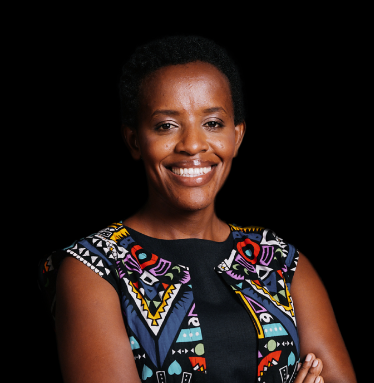
Agather Atuhaire — Agather is not the kind of woman who waits for change to arrive politely at the door. A journalist, lawyer, and human rights activist, she has built her career pulling back the curtain on corruption and maladministration in Uganda, often at great personal risk. Through fearless reporting and relentless digital activism, she has become one of the country’s most trusted voices, holding power to account in a system where female defenders of justice are often silenced by trumped-up charges, cybercrime laws, and intimidation.
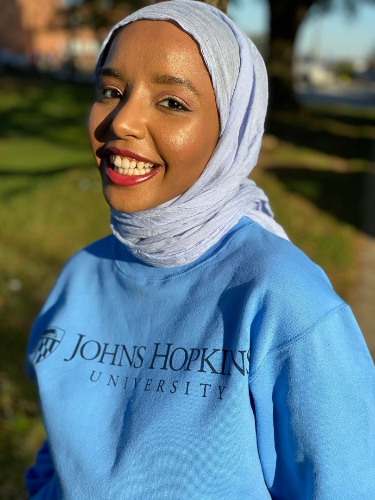
Bayadir Mohamed-Osman — Bayadir carries two things wherever she goes: a deep commitment to public health and a voice that refuses to be silenced. A Sudanese American advocate and poet, she has made her career and artistry inseparable tools for justice. With a Master of Public Health from Johns Hopkins and years of experience tackling health disparities, she now directs her energy toward a crisis closer to home: a Sudan torn apart by war.
When the conflict escalated, Bayadir walked away from a stable career to advocate full-time for her people. From coordinating evacuations through WhatsApp to helping international donors cut through red tape, her work is as practical as it is passionate. She also wields the power of words. Her poetry has reached millions through stages across the U.S. and her debut book, Secondhand Smoke, speaks personal and political truths, amplifying voices often unheard. Through movements like #SudanCantWait, she has rallied a global audience, reminding the world that Sudan’s survival cannot be an afterthought. The stakes for her are deeply personal as her father, a lifelong political activist who returned to Sudan after Omar al-Bashir’s ousting, is once again in danger, along with millions whose lives and futures hang in the balance. Bayadir’s work is a refusal to let Sudan’s people be reduced to collateral damage.
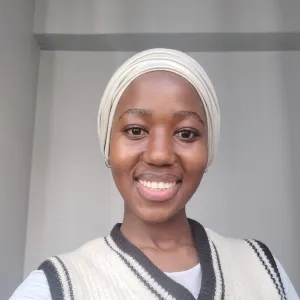
Bohlahle Mphahlele — At sixteen, an age when most high schoolers were stressing about exams, Bohlale was asking herself a bigger question: how do you give women and girls a fighting chance in a country facing one of the world’s highest rates of gender-based violence? Her answer became the Alerting Earpiece, a gadget that hides in plain sight as a stylish earring but doubles as a lifeline. One press of a hidden button, and the device snaps a photo of an attacker, captures the victim’s location, and alerts pre-set contacts and emergency responders. The invention earned her a bronze medal at the Eskom Expo for Young Scientists, caught national media attention, and sparked interest from global organizations.
Five years later, at 21, Bohlahle is turning her prototype into a product the public can use. As the founder of Mphahlele Alerts (Pty) Ltd and a student pursuing a degree in Information Technology, she is determined to refine the earpiece and make it accessible to South Africa’s most vulnerable, women and children who face danger as a daily reality. For Bohlale, the mission extends beyond technology. She is part of an innovation program supporting young women solving community challenges, and is not waiting for someone else to solve South Africa’s crisis but is doing it herself.
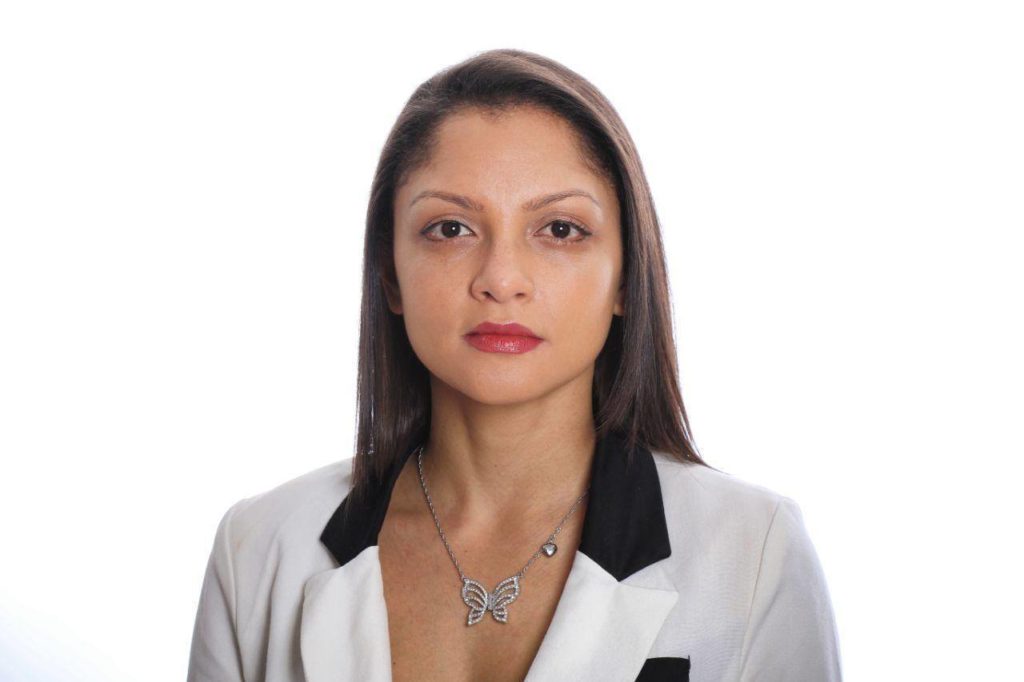
Cherise Dunn — Cherise is proving that Africa’s healthcare future can be built, layer by layer, from the ground up. As Co-founder and Chief Operating Officer of SOUTH AFRICA MAKES, an award-winning medical device digital manufacturing company, she is leading the use of 3D printing to make healthcare more accessible, resilient, and innovative across the continent. With a PhD in Medical Biochemistry from the University of Cape Town and recognition as one of South Africa’s 50 most inspiring women in STEM, Dunn has become the continent’s leading voice on “3D Printing for Development.”Her TEDx talk, Made for Africa. Made in Africa, lays out a vision of a fourth industrial revolution where African healthcare systems no longer wait for outside solutions but design and produce their own. Her impact extends far beyond labs and factories. Through SOUTH AFRICA MAKES, Dunn is advancing affordable, locally produced medical devices, while mentoring hundreds of youth and women entrepreneurs through design thinking and digital skills programs. Her work has drawn global attention, from Fast Company’s Most Innovative Companies list to speaking at the G20 Startup20 Forum in Brazil, where she championed Africa’s femtech potential.
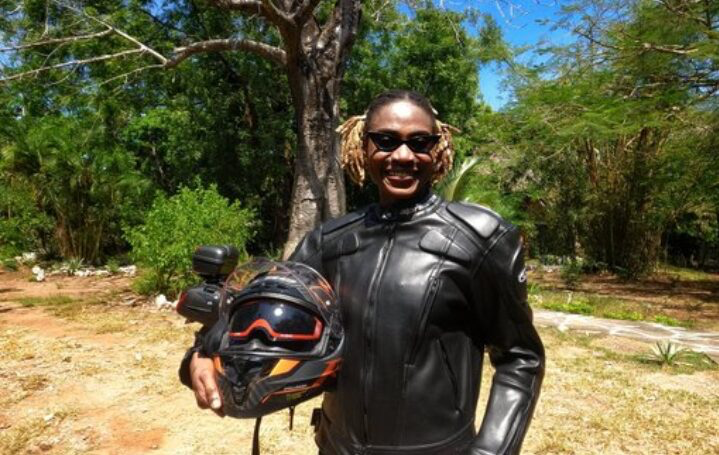
Ebaide Udoh — Ebaide moves through Africa the way few dare to; on two wheels, across borders, and with a mission far bigger than herself. An Afrobeats singer turned adventurer, she became the first documented Black African woman to ride solo from East to West Africa, traveling 9,000 kilometers from Mombasa to Lagos. The three-month journey was in pursuit of a larger dream: a demand for a borderless Africa. Ebaide first converted a van into a roaming home, then, with just a week of motorcycle training, bought a 250cc bike she named Rory and started a route through Kenya, Uganda, Rwanda, Tanzania, Zambia, Angola, Congo, Cameroon, and Nigeria.Along the way, she faced corrupt border officials, endless visa delays, and the exhausting bureaucracy that keeps Africans from freely exploring their own continent. Rather than accept it, Udoh turned frustration into advocacy. Partnering with Youth Hub Africa and the African Union, she launched One Africa. No Borders, a campaign calling for visa-free travel for Africans across Africa. Her social media, which amassed over 100,000 followers, became a rallying point for women, travelers, and dreamers who see her rides not just as daring adventures but as a vision for a freer, more connected continent.
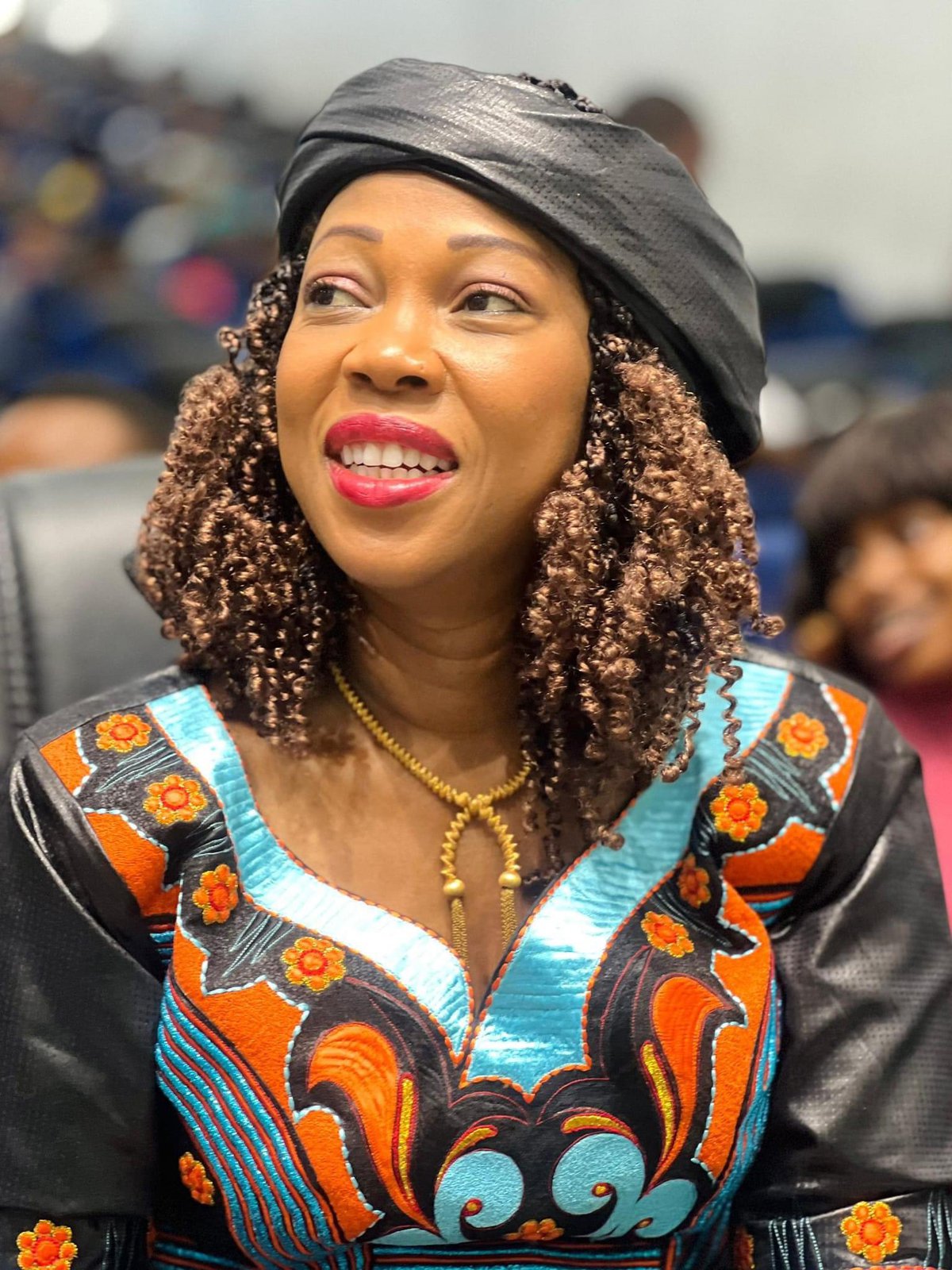
Fatima Maada Bio — Before becoming Sierra Leone’s First Lady, Fatima Maada Bio was a celebrated filmmaker, an early glimpse into her gift for storytelling and advocacy. But it was off-screen that her most powerful role began. Through her Hands Off Our Girls campaign, she has boldly tackled child marriage, teenage pregnancy, and gender-based violence, sparking national reforms and amplifying justice for girls. Under her watch, Sierra Leone’s 34 Military Hospital expanded from 70 to 600 beds, including a Centre of Excellence for survivors of SGBV, turning pain into policy and infrastructure.Globally, Fatima continues to make impact resonate. From championing a UN-recognized World Day to combat child abuse, to serving as UNAIDS Champion for Adolescent Girls and now on the UN Zero Waste Advisory Board, she is ensuring that Sierra Leone’s daughters are seen, heard, and protected
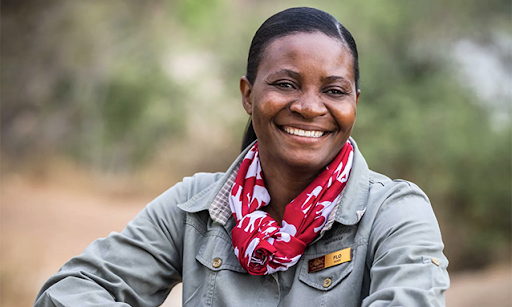
Florence Kagiso — Florence Kagiso’s journey began barefoot in the Okavango Delta, long before she was known as “Flo the Safari Guide.” Taught by her blind grandmother to listen to the land and trust its signs, Florence grew up fluent in nature’s language. Though she first pursued fashion design in the city, the bush called her back. Swapping sewing machines for wildlife training, she entered a field few women dared to, joining Chobe Game Lodge in 2004 as the only female guide among twelve men. With patience and precision, she earned her place, and redefined it.Today, Florence is Head Guide and part of the management team, leading a guiding squad that is now 50% women. Her story is no longer just about survival in a male-dominated space; it’s about shifting the entire landscape. From lifting other women into leadership to speaking on global stages, Florence moves with quiet conviction, still guided by the lessons of the Delta, still creating space for others to rise.
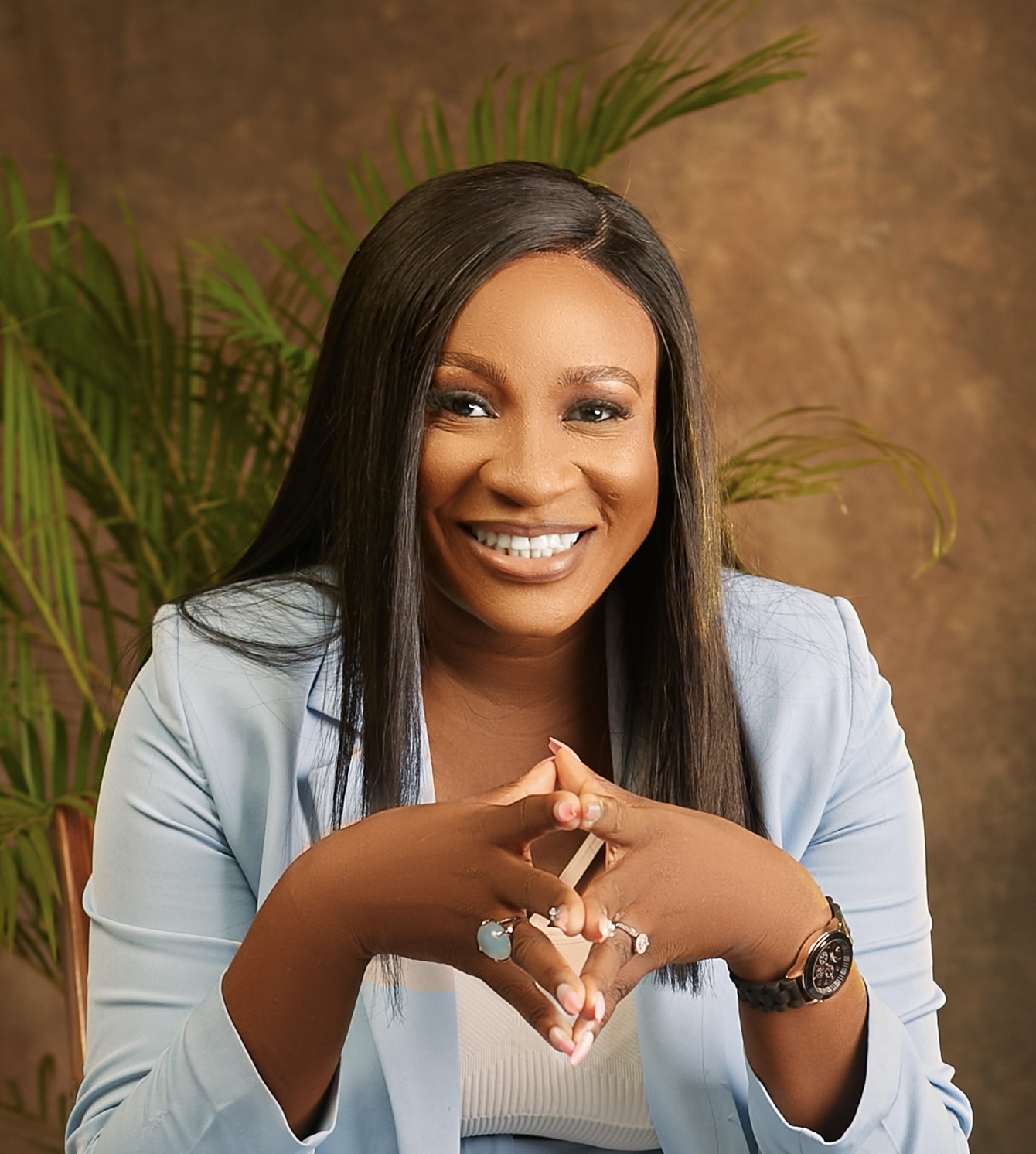
Oluwafunke Adeoye — Some women build tech startups. Funke Adeoye built a justice movement. When she founded Hope Behind Bars Africa in 2018, it wasn’t just to offer legal aid, it was to challenge the very systems that criminalize poverty and silence the vulnerable. Since then, over 7,000 justice-involved individuals have benefitted from her organization’s blend of legal defense, civic tech, and research-driven advocacy.A trained lawyer and civic innovator, Funke has led campaigns to decriminalize petty offenses, and co-authored a widely used legal manual for pre-trial detainees. She’s also shaped nonprofit policy engagement at the Senate level, helping create a more enabling environment for civil society actors. Globally recognized as a Mandela Washington Fellow and Acumen West Africa Fellow, Funke continues to raise her voice, because for her, justice isn’t charity; it’s dignity in action.
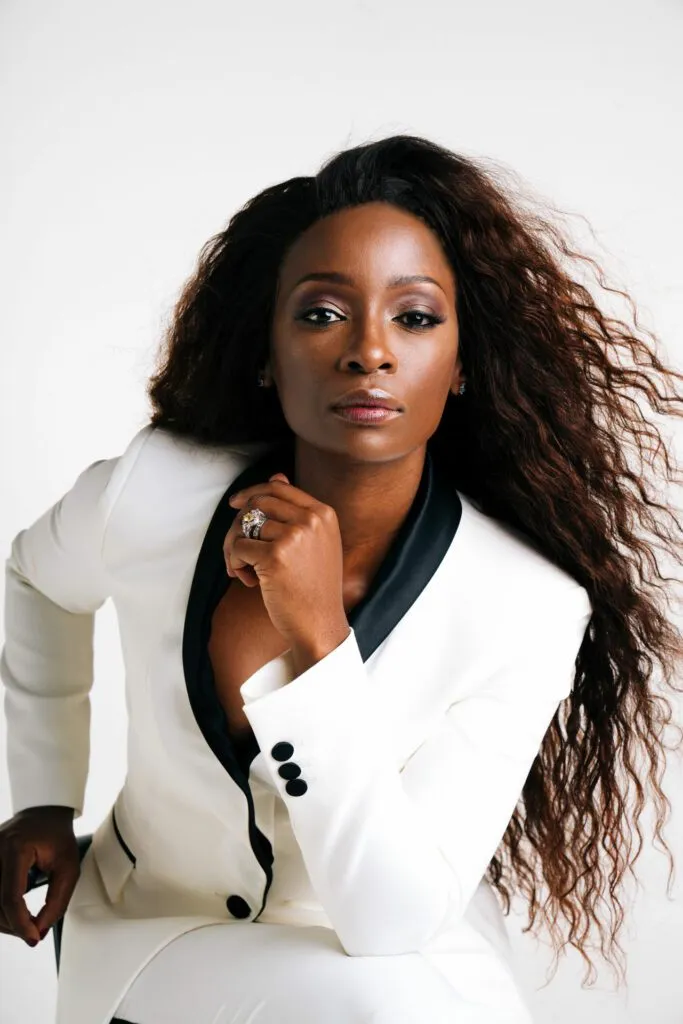
Hlubi Mboya-Arnold — Hlubi Mboya Arnold is a force, one whose light reaches beyond film sets, into classrooms, boardrooms, and communities hungry for change. Known for her iconic role as Nandipha Sithole in Isidingo, the show’s first HIV-positive character, Hlubi Mboya Arnold has long used her platform to drive change beyond the screen. While her film career includes award-winning performances in Dora’s Peace, I Am All Girls, and Darryn’s Gym, it’s her advocacy that truly defines her.As Executive Director of Future CEOs and Director at Sunshine Cinema, Hlubi empowers emerging business leaders and brings educational films to underserved communities using solar-powered mobile cinemas. She is a founding member of SWIFT (Sisters Working in Film and Television) and has also championed equity and safety for women in the entertainment industry. Her name, Hlubi, means “different kind of girl”, a definition she lives out fully. From social justice to education to gender equity, her work is unified by a single, driving belief: that every girl deserves a chance to rise, dream, and thrive.
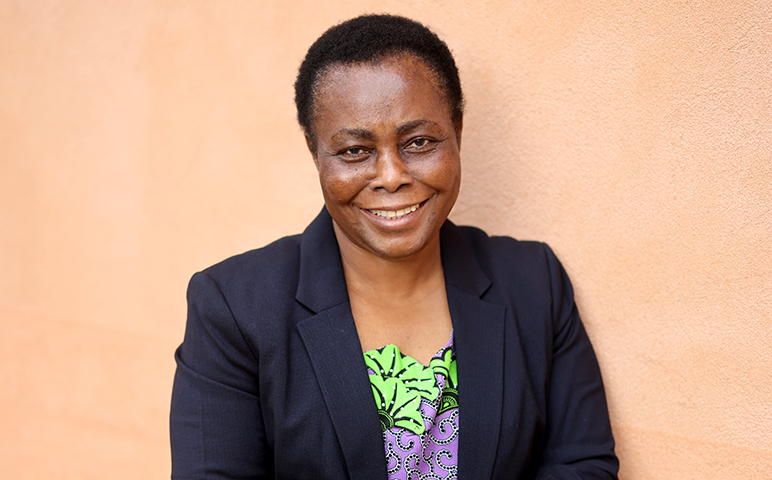
Julienne Lusenge — When justice seemed out of reach, Julienne Lusenge made it her mission to bring it closer to home. As the President of SOFEPADI, a coalition of 40 women’s organizations in Eastern DRC, Julienne has spent decades documenting, advocating, and defending women’s rights in one of the most conflict-ridden parts of the world.
Her activism began in 1998 when violence erupted near her home. Armed groups brutalized women, using rape as a weapon of war. While others stayed silent out of fear, Julienne chose action. She wrote to military leaders. She named what was happening. And she called it what it was: a war on women. Julienne leads the Congolese Women’s Fund and sits on the Advisory Committee for the International Campaign to Stop Rape & Gender Violence in Conflict. She’s been knighted by the French government and stood before the UN Security Council to demand real inclusion of women in peace processes.
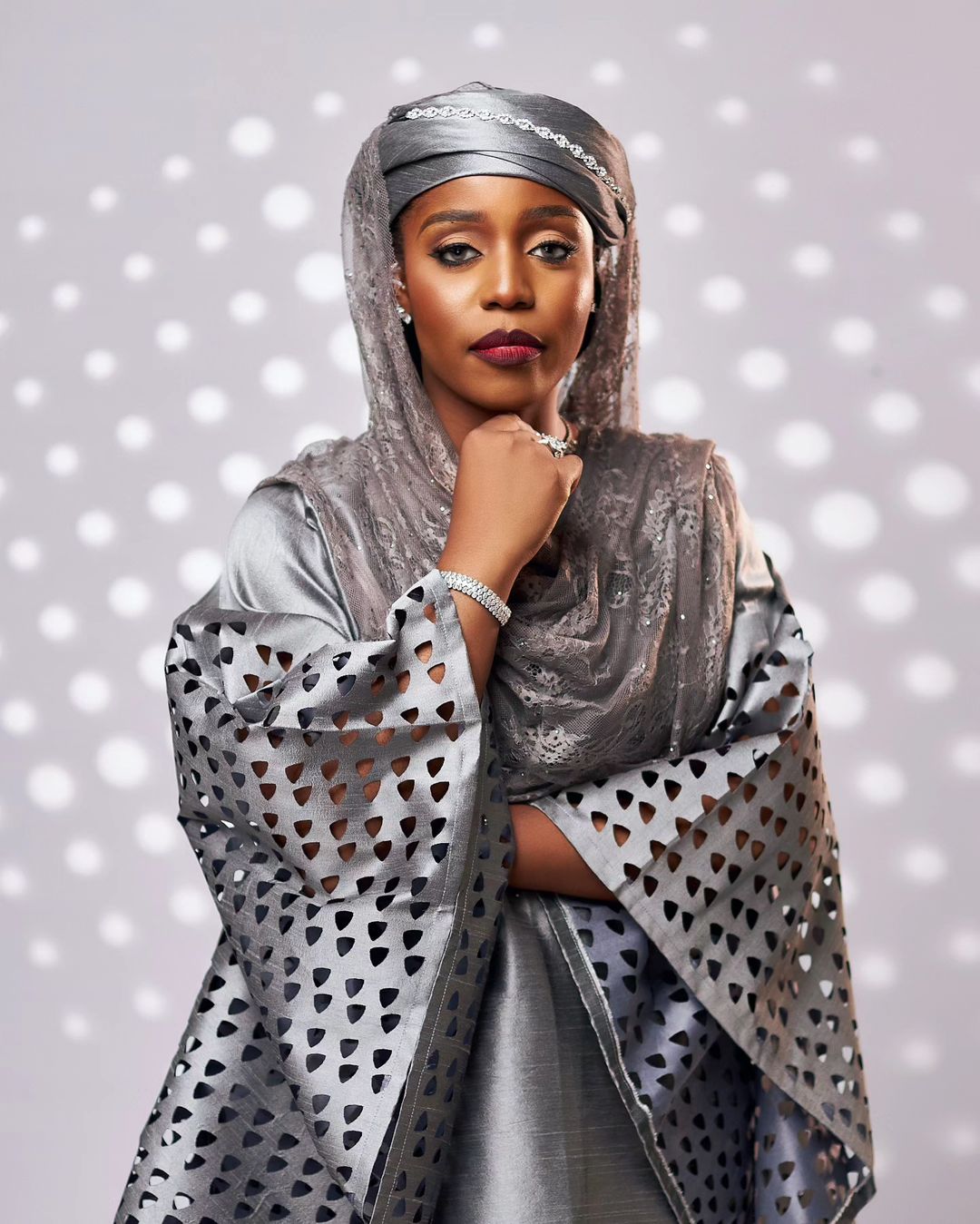
Maryam Bukar Hassan — Maryam Bukar, popularly known as Alhanislam is a Poetvocate, PanAfricanist, and the founder of Truemyvoice.She made her official debut on July 27, 2025, performing live at SummerStage NYC alongside Afrobeat legend Femi Kuti and Cape Verdean star Elida Almeida.She has trained over 5,000 young Africans in storytelling and creative advocacy through her initiative. She has spoken at TED Talks, the World Bank Youth Summit, and more. She has also participated in climate advocacy at COP28 to become a finalist for the 2024 UN SDG Creativity Award. She was recently appointed by the United Nations, making her the First-Ever Global Advocate for Peace in history.
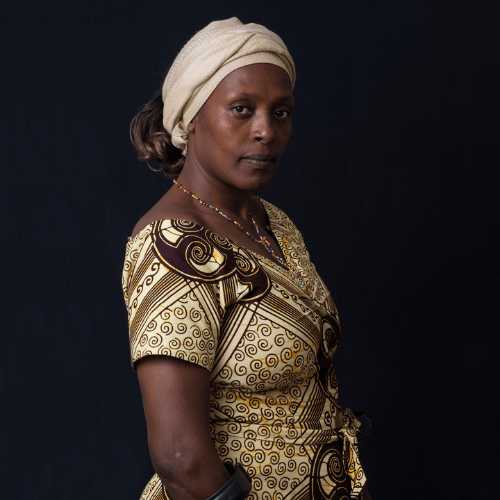
Neema Namadamu — Neema Namadamu was infected with polio at the age of two. Often referred to as a curse, she refused to be boxed in by the prejudice of tradition and became the first woman with a disability from her tribe to graduate from the university. From there, she went on to serve in the Parliament, representing South Kivu province, and later served as advisor to the Minister of Gender and Family.In 2012, Neema founded the Maman Shujaa Media Center in Bukavu, a sanctuary and platform for Congolese women to tell their stories, learn digital literacy, and become agents of change. She also founded SAFECO (Synergy of Congolese Women’s Associations), where dozens of women-led NGOs were united to collectively work on peace, rights, and development. To know Neema Namadamu is to witness what resilience, radical love, and unshakable vision look like. She remains a force, and a fire wrapped in grace.
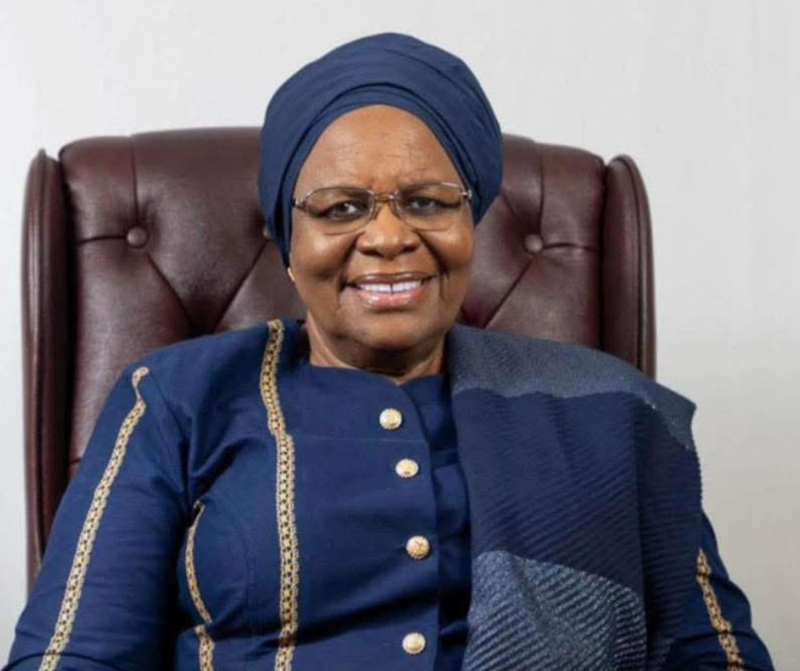
Netumbo Nandi-Ndaitwah — Netumbo Nandi-Ndaitwah grew up in the harsh shadows of apartheid South African rule, in the northern village of Onamutai. In her early teens, she joined SWAPO, the South West Africa People’s Organization, and emerged as a youth leader in the fight against colonial oppression. Unfortunately, she got into prison in 1973, but chose to run away instead in 1974. During this period, she gained political and intellectual experiences, and immersed herself in diplomatic studies, socialist theory, and public administration, all in service of a future Namibia she hoped to help build. She finally returned, after Namibia gained independence in 1990. Intending to rebuild, she became one of Namibia’s first female MPs and went on to hold a record number of senior government positions over three decades. She also held offices in Women’s Affairs, Information, Environment, and Foreign Affairs. She was largely involved in Namibia’s passing of the Domestic Violence Act (2003), and she helped drive forward the National Gender Policy (1997), the Combating of Rape Act, and the Married Persons Equality Act.In February 2024, Nandi-Ndaitwah was appointed Vice President when President Hage Geingob passed away, and by December, she had secured a landslide victory in the national elections, winning 58.7% of the vote despite logistical hurdles that tested Namibia’s electoral process.Her inauguration speech laid out an ambitious vision of 500,000 new jobs, free tertiary education beginning in 2026, and bold investments in agriculture, fisheries, creative industries, and youth sports. For the first time, Namibian women were involved in reshaping the architecture of the government, and as she continues, Netumbo Nandi-Ndaitwah reminds us that every revolution begins with the audacity to imagine something different, and the endurance to see it through.
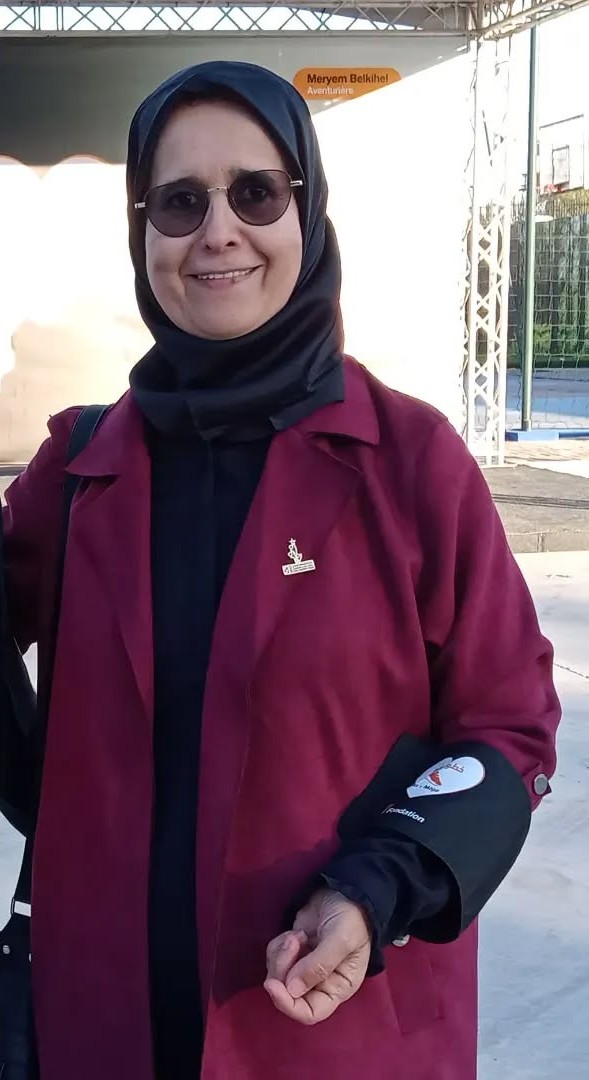
Souad Dibi — In 1998, Souad Dibi founded El Khir. This was created when she found herself surrounded by stories of women who had been abandoned and abused, and for her, creating a non-profit association to offer women not just charity but restore dignity, create economic opportunities, and break cycles of dependency was important to her. Culinary skills, room service provision, and caregiving training were vocations taught at El Khir with an intention for women to dream, to earn, and to lead. In 2008, she established the first listening center for abused women.
The goal for its establishment was to pioneer counseling, legal aid, and psychological support for victims of gender-based violence. Here, women can process their trauma, access justice, and rebuild their lives on their terms. Between 2014 and 2021, Souad was recognized by organizations such as Le Monde, SIGEF, and the Monegasque cooperation agency for her relentless advocacy for women’s and girls’ rights. In 2021, she also received the Model Woman Award from the Accor Group Le Medina Hotel. She also founded ‘Les Petits Marins,’ a daycare program for children in difficulty, and proved once again that transformative work does not have to be loud but can start from a place of personal truth and community need.
Ulanda Mtamba — Ulanda Mtamba’s early childhood comprised societal expectations, early marriages, and limited educational opportunities. But unlike many, she had the unwavering support of her family, and most notably, her sister who ensured that education remained central in Ulanda’s life. Even after the loss of her father and the initial heartbreak of failing to gain entry into secondary school, Ulanda refused to yield to despair. In Bwaila Secondary School and later Mzimba Secondary School. She continued her studies in business and project management, earning a Chartered Marketing qualification. With over 20 years of experience in public health and development, including roles with NAPHAM, UNDP, Goal Malawi, and Blantyre Synod, Ulanda has been a formidable voice for those living with HIV/AIDS. Her advocacy contributed to critical research and policy shifts around HIV prevention for women and supported research concerning this innovation.One of her formidable works was as the Country’s Director of Advancing Girls’ Education in Africa (AGE Africa). Through AGE Africa, Ulanda has transformed the futures of hundreds of girls by helping to end child marriages and ensuring access to secondary and university education. Under her leadership, AGE Africa’s annual retreats provided mentorship and inspiration, urging girls to pursue entrepreneurship and prioritise education. In 2023, her work caught the attention of global individuals like Michelle Obama, Melinda French Gates, and Amal Clooney, and they visited AGE-supported schools to witness the life-changing impact of Ulanda’s efforts. Her leadership extended to being the first female President of Rotary International in Limbe. This club’s watershed project currently benefits over 2,500 people in the Machinga District, showcasing how sustainable development can grow from grassroots to greatness.