There’s something refreshing about women who lead powerfully with results.
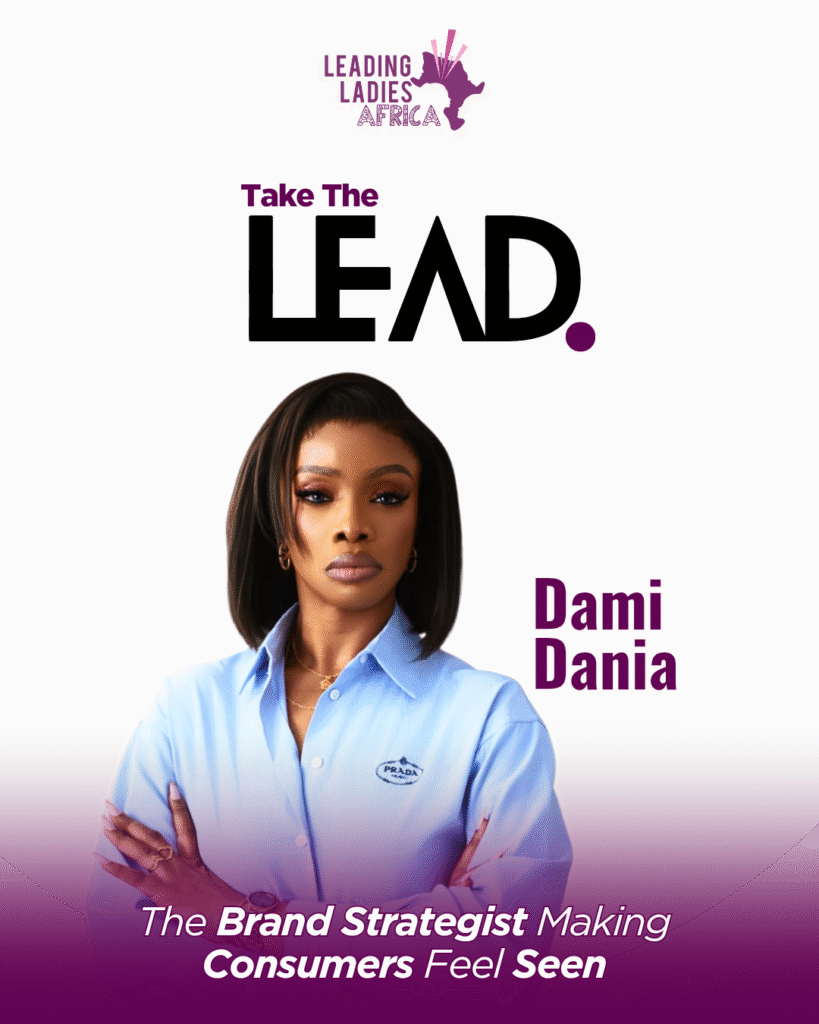
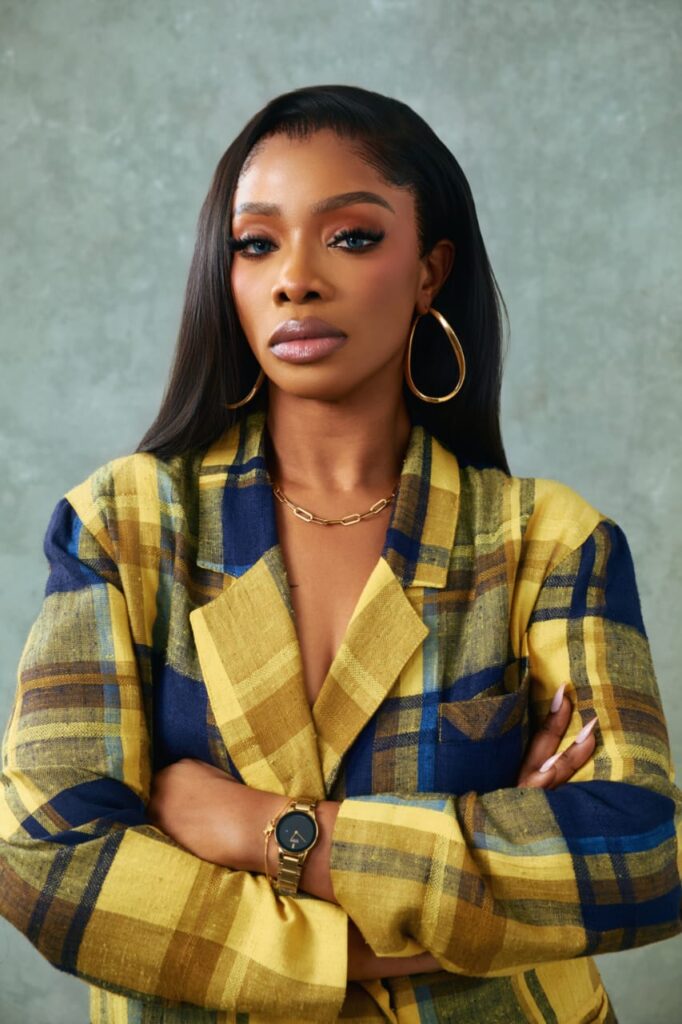
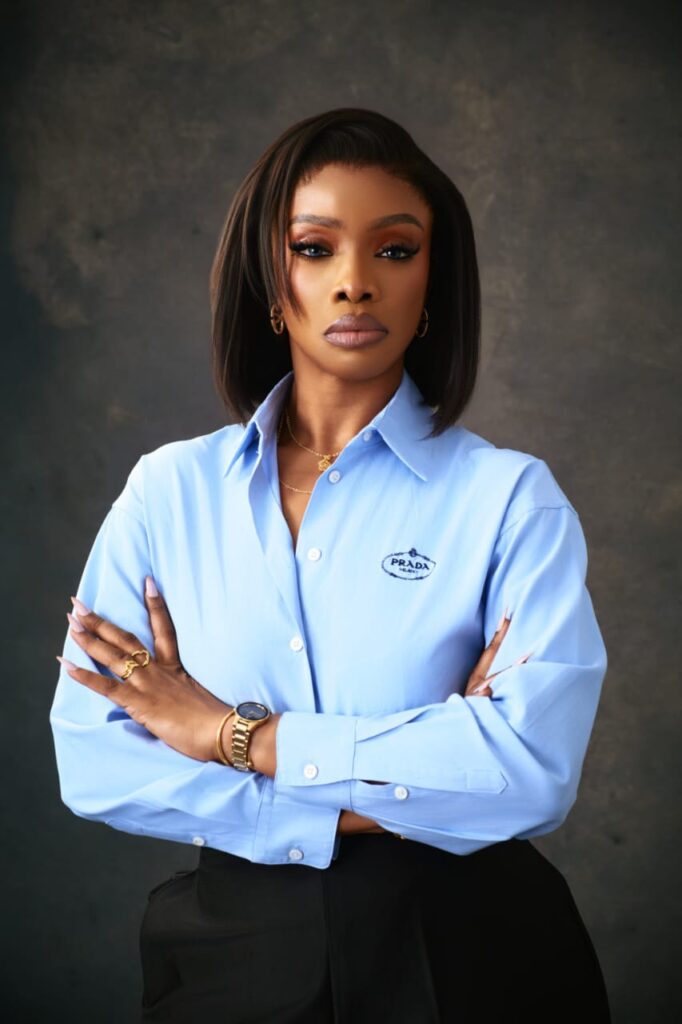
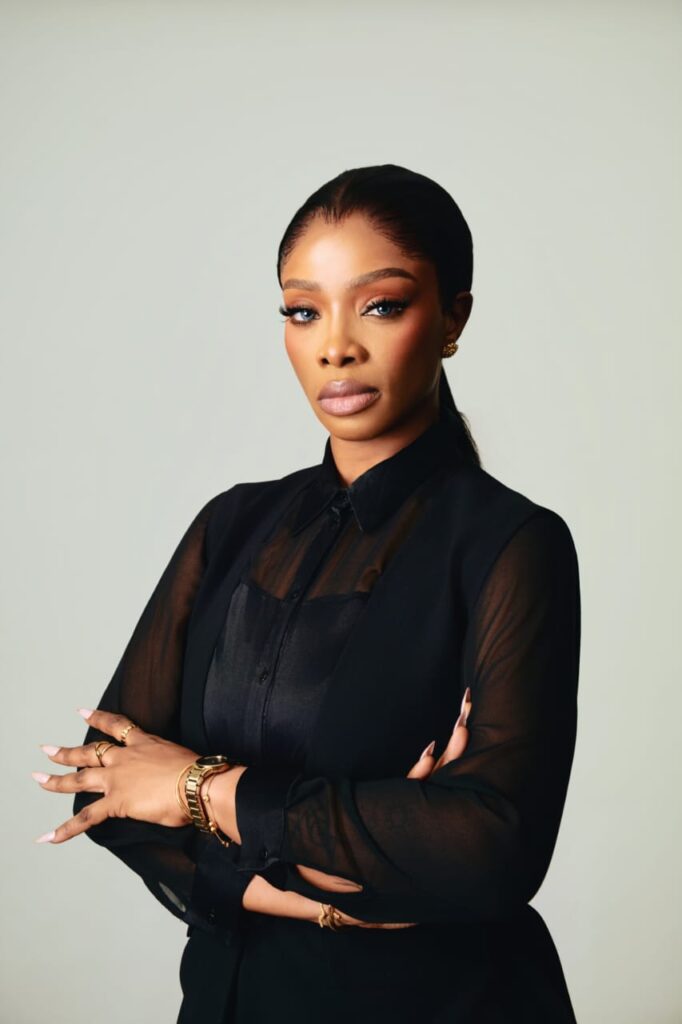
That’s Dami Dania.
A brand strategist with the rare mix of heart and clarity. She’s the kind of leader who puts customers at the forefront of strategy. About understanding what moves them, what they value, and why they choose what they choose.
Working at Unilever West Africa, she shared the importance of memory, culture, and pride in consumer marketing.
Dami leads with integrity, discipline, and empathy. The kind of trio that makes leadership feel human again. She’s ambitious, yes, but also intentional, learning to measure success not by applause or numbers, but by peace, alignment, and impact.
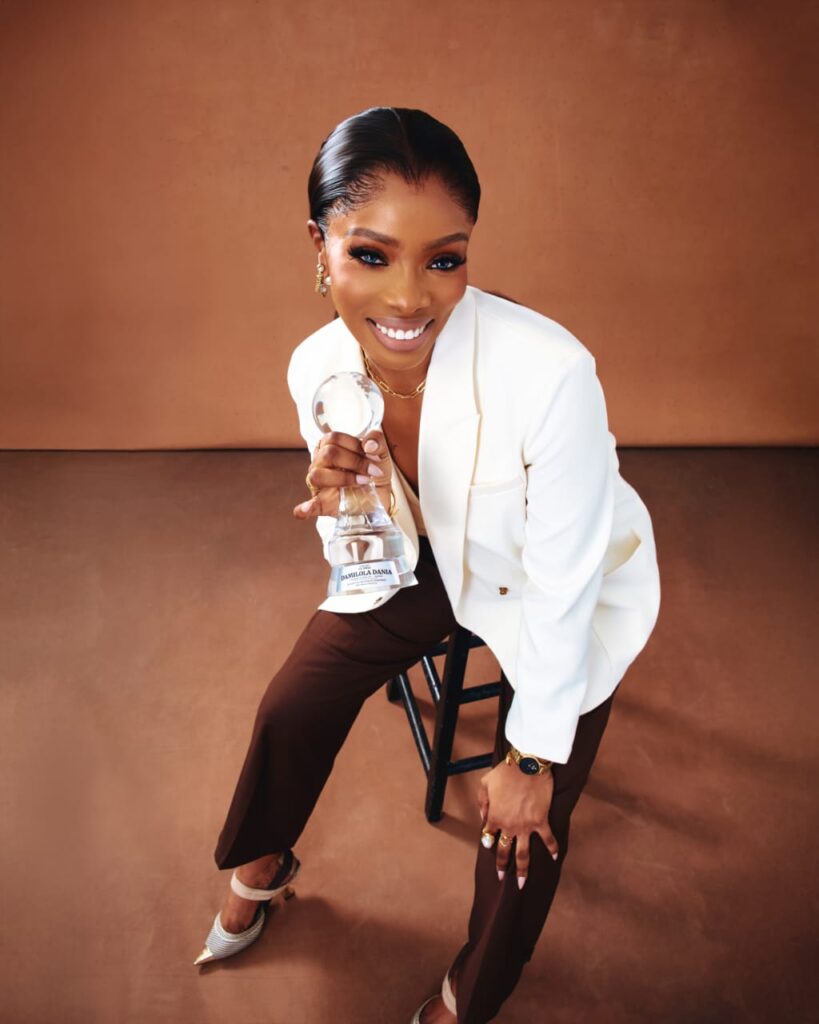
Her journey from brand management into strategy feels like a masterclass in intentional living. So when she was named one of the global winners of the Forty Under 40 Awards in Brand & Business Strategy, it was a reminder of how powerful ripples of clarity, kindness, and courage can be.
So when you think of Dami, think of a strategist who builds more than brands. She builds people, trust, and transformation. And honestly? That’s the kind of leadership the world needs right now.
Read the full interview below.
Thank you for having us, Dami. To begin? Who are you beyond your title and achievements? How would you describe yourself at your core?
I’m someone who is constantly learning how to live with intention. I’ve always been ambitious, but over time, I’ve realized that peace and purpose matter just as much as progress.
At my core, I’m curious about people, behavior, and why we do what we do. I value depth over noise, growth over perfection, and truth over image.
What values do you hold most closely, the ones that shape not only your work as a brand strategist, but how you show up in everyday life?
Integrity, discipline, and empathy. Integrity keeps me grounded; discipline sustains me when motivation fades; empathy reminds me that leadership is about people, not performance.
I try to lead in a way that allows others to breathe to feel seen, capable, and valued.
What was your path into brand strategy and consumer growth? Were there key moments or people who influenced your direction?
I’ve always been fascinated by human behavior how choices are made, what builds meaning, and how culture shapes consumption.
My path started in brand management, but strategy became my language. It’s where data meets empathy, and creativity meets logic. Along the way, I’ve had mentors who taught me that good strategy doesn’t just sell products; it shapes how people feel about themselves.
As Foods Demand Creation Lead for Foods Nigeria at Unilever East & West Africa, what does a day in your life look like, the wins, the pressures, the hidden parts of the job?
Every day is different, but the rhythm is the same clarity, collaboration, and execution.
I balance creativity with commercial reality: ensuring our brands stay culturally relevant while driving growth. There are high-pressure moments, but also quiet ones where we reflect on what really connects consumers to our brands. The hidden part of my job is how much of it is about people understanding their motivations, managing their energy, and protecting focus.
How has working in West Africa shaped your understanding of consumers, especially in the nutrition category, what do they want, what they respond to, what often gets overlooked?
It’s made me more human in how I see people.
Food here is emotional; it’s the smell of stew, the joy at weddings while we eat jollof or amala, the pride in the moment you nail a dish, when you understand that, you stop marketing products and start connecting with memories. We are deeply intuitive people; we know authenticity when we see it. We respond to brands that respect culture and economic awareness not just capitalize on it
Consumers do not just buy taste or nutrition; they buy trust. They want to feel that you understand their world not talk at them, but with them.
Congratulations again on winning the Forty Under 40 Global Award in Brand & Business Strategy! How did that recognition feel, not just for you, but for the people around you and the industry you represent?
It felt like validation, but also reflection. Recognition is beautiful, but what mattered most was realizing how many people had walked that journey with me; mentors, teams, and friends who challenged and supported me.
It reminded me that the best kind of success is collective.
As a young African woman in leadership, how have you navigated gender norms in your career path, and what do you think needs to change for women to unlock their full economic potential?
I’ve been fortunate not to face many barriers tied to gender, but I’m always mindful that others do.
For me, inclusion isn’t just about gender it’s about making sure people are seen for their competence, not the assumptions around them.
We need to move beyond symbolic representation to genuine inclusion, where opportunities are based on what people can do, not what the system expects them to do.
True inclusion happens when we design environments that let different strengths coexist and thrive.
How has your definition of success evolved over time, what did success mean when you started vs what it means for you now?
Success used to mean performance, growth, and results.
Now it means alignment: doing work that reflects who I am, not just what I can deliver.
I measure success by peace of mind, quality of relationships, and whether I’m still learning. That shift changed everything about how I lead.
Looking ahead, what legacy do you hope to leave, both in your work and in how you’ve influenced others?
I want to be remembered for clarity, kindness, and courage.
For building things that mattered and people who believed in themselves a little more because they crossed paths with me.
Legacy, to me, isn’t a monument; it’s a ripple how you make others feel seen, capable, and inspired to lead and experience life differently.